
Customer interaction, brand loyalty, and seamless experiences are the heartbeats of successful businesses today. In a world brimming with social media, mobile apps, AI, and AR, the quest for exceptional customer experiences is relentless. Let's dive into the realm of Digital Experience Platforms (DXP) and unveil how they are shaping the future of customer engagement.
The Impact of Exceptional Customer Experience
The Power of Customer Loyalty
Building lasting customer relationships hinges on delivering top-notch experiences that foster loyalty and drive repeat business. With the digital landscape evolving rapidly, businesses need to harness tools like social media, AI, and AR to prioritize customer satisfaction.
Demystifying Digital Experience Platforms
The Core of DXP Functionality
At the core of a Digital Experience Platform (DXP) lies a powerful engine that centralizes data and AI capabilities to craft personalized content experiences. By seamlessly integrating content across various digital touchpoints, brands can effectively engage their audience.
Decoding DXP, CMS, and WEM
Unraveling the Differences
While Content Management Systems (CMS) focus on content creation, Web Experience Management (WEM) emphasizes customer engagement across multiple channels. DXP takes it a step further by utilizing AI and data to tailor content for diverse platforms seamlessly.
Embracing the DXP Advantage
Enhancing Customer Touchpoints
For brands craving personalized messaging and enriched customer interactions, a DXP proves instrumental. By unifying data from various departments, businesses can drive targeted communication strategies effectively.
Top Tools in the DXP Arena
Leading DXP Platforms
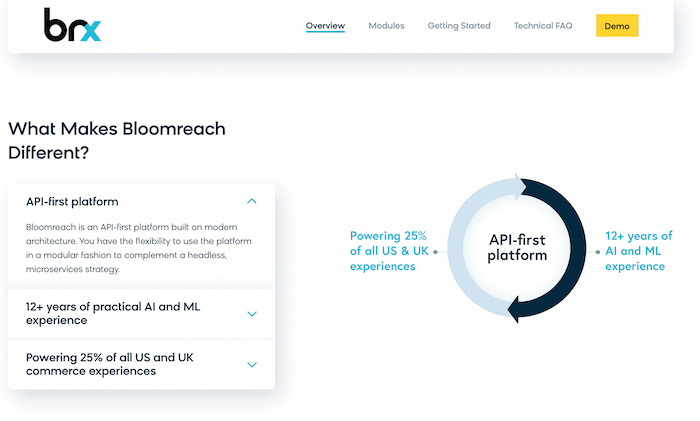
- Bloomreach: Elevates e-commerce experiences with a comprehensive platform.
- Liferay: Tailored solutions to meet evolving business needs.
- Core dna: Streamlines digital marketing components for operational efficiency.
- FirstSpirit DXP: Seamless integration with existing tools, prioritizing user-friendliness.
Delving Deeper into DXP Resources
Valuable Insights Await
- An Intro to Digital Experience for Marketing Webinar: Gain insights into DXP's impact on customer interactions.
- Building Digital Experience Platforms Book: A detailed guide on developing enterprise applications.
- Operationalizing a DXP Platform Webinar: Explore the pivotal role of customer data in personalized experiences.
- The Rise of the Digital Experience Platform E-Book: Discusses the implications of DXP adoption for business growth.
By embracing Digital Experience Platforms, businesses can revolutionize customer engagement, amplify brand relevance, and drive meaningful conversions in the digital realm. Prioritizing exceptional digital experiences paves the way for enduring customer relationships and sustained business success.
Frequently Asked Questions
Why Defining Your Brand Matters
Your brand is a promise to customers, setting you apart in a sea of competitors. It's a beacon of trust and credibility, reflecting your values and resonating with your audience. Crafting a compelling brand identity involves clarity, consistency, and aligning with your target market's perceptions.
When building your brand, ensure your name reflects your offerings, choose visual elements wisely, and embody the essence of your company culture. Engage with your audience authentically, projecting professionalism, reliability, and expertise to foster lasting connections.
Top 5 Social Media Marketing Strategies
Social Media Marketing is a potent tool for brand promotion and customer engagement. Here are five strategies to elevate your online presence:
- Utilize Facebook Fan Pages for interactive content.
- Harness Twitter for real-time updates and engagement.
- Leverage YouTube for engaging video content.
- Host Live Events to connect with your audience.
- Respond to Customer Reviews promptly to build trust and loyalty.
Exploring Internet Marketing Essentials
Internet Marketing encompasses a spectrum of online strategies to promote products and services. From email marketing to social media outreach and SEO, each facet plays a crucial role in enhancing digital visibility and driving business growth. Embrace these tools strategically to maximize your online impact and connect with your target audience effectively.
Remember, effective marketing doesn't always require hefty investments. With the right approach and a blend of digital tactics, businesses can thrive and expand their online footprint without breaking the bank.
Demystifying Marketing Categories
Marketing branches into Direct Mail, Traditional Advertising, Public Relations, and Digital Marketing realms. Each category serves distinct purposes and objectives, offering diverse avenues to amplify brand visibility and engage with consumers. By leveraging a mix of marketing tactics judiciously, businesses can craft holistic strategies to achieve their marketing goals effectively.
Crafting a Robust Ecommerce Marketing Plan
Embarking on an Ecommerce marketing journey requires meticulous planning and strategic execution. From product selection to budget allocation and channel optimization, each step influences your online success. Embrace multi-channel marketing, leverage digital tools, and prioritize customer-centric strategies to propel your Ecommerce venture to new heights of profitability and growth.
Remember, consistency, innovation, and a customer-centric approach are the cornerstones of a successful Ecommerce marketing strategy. Stay agile, adapt to market dynamics, and watch your online business flourish.
Mastering Digital Marketing from Home
Digital Marketing opens a world of possibilities for home-based entrepreneurs. Harness social media platforms, email marketing tools, and digital media channels to amplify your brand reach and engage with your audience effectively. With the right strategies and a creative approach, you can establish a robust online presence and drive business growth from the comfort of your home.
Don't hesitate to dive into the realm of digital marketing from home. With dedication, creativity, and a dash of innovation, you can unlock new avenues of success and carve your niche in the digital domain.
Insightful Statistics
- 81% of brands leverage affiliate marketing for enhanced online visibility and sales. (blog.hubspot.com)
- Balancing promotional and value-driven content can yield significant engagement and click-through rates. (marketinginsidergroup.com)
- Strategic CPC management can lead to cost-effective campaigns with higher CTRs, driving optimal results. (marketinginsidergroup.com)
- Co-branding emerges as a potent strategy to expand email subscriber bases, with 34% of marketers recognizing its effectiveness. (influencermarketinghub.com)
- Global brands are increasingly adopting affiliate programs, with 81% leveraging this strategy for business growth. (influencermarketinghub.com)
Explore Further
moz.com
- SEO Learning Center – Moz
- [Case Study] How Moz Ranked #1 for High-Volume Keywords in Less Than 3 Months – Moz
neilpatel.com
- How to use SEO to build your brand
- Marketing Automation: What is it, Examples & Tools [2022]
hubspot.com
- YouTube Marketing: The Ultimate Guide
- Chatbot Builder Software – Free
youtube.com
- YouTube
A Guide to Success
Innovative Affiliate Marketing Strategies for 2022
Affiliate marketing opens doors to lucrative online opportunities. With a strategic approach and the right platforms, you can kickstart your affiliate journey seamlessly. Dive into these 20 cutting-edge affiliate marketing strategies to amplify your online earnings in 2022.
- Create a Content Calendar
- Explore Google Adwords for targeted outreach
- Launch your Podcast for niche audience engagement
- Join a Blogging Network for collaborative growth
- Build an Email List for personalized connections
- Monetize Reviews to boost revenue streams
- Become an Influencer to drive brand visibility
- Offer Free Trials for product sampling
- Establish a Membership Website for exclusive content access
- Tap into Amazon Affiliate Program for diverse product promotions
- Craft compelling Articles for niche audiences
- Start a YouTube Channel for dynamic video content
- Host Engaging Events for interactive brand experiences
- Develop a Mobile App to enhance user engagement
- Promote Your Business Online for wider reach
- Run Strategic Facebook Ads for targeted campaigns
- Engage with Twitter for real-time updates and conversations
- Grow Your Instagram Following for visual brand storytelling
- Prioritize Transparency with customers for trust and credibility
- Focus on Long-term Earnings for sustained affiliate success
Frequently Asked Questions
What makes it so important to identify your brand?
A brand is simply a promise that your company makes to its customers. Your brand is a promise that your company will deliver certain benefits and qualities that will make you stand out from the rest. Your brand is what sets you apart from other companies in the industry.
A brand establishes your authority and credibility. Potential customers instantly recognize your company's logo when they see it. They trust you because you've earned their respect.
Your company's culture can also reflect your brand. Your employees will feel passionate about your brand if they are passionate about your product or services.
Your brand is not just words and images. It is a promise your company keeps. It's your promise to give value to your clients.
You should take into consideration several aspects when creating your brand. You want your name to clearly describe what your company does. You might choose Sweet Dreams Bakery if your bakery is your business. But if you're running a software company, you'd probably go with something like DreamSpark Software.
Next, you will need to decide how your company will be represented. Do you want to use a well-known symbol? Will you use colors that match your corporate look? Will you use logos
Finally, you'll want to consider how your target audience perceives your brand. Will you portray yourself as friendly and helpful? Do you seem trustworthy and professional? Will you be able to demonstrate your expertise and knowledge?
These are all questions you need to answer before building your brand.
What are 3 examples for internet marketing?
Internet Marketing is a term that encompasses online activities intended to promote products, services, and other related topics. Internet marketing can include email marketing, social media marketing and search engine optimization (SEO), as well as pay-per-click marketing (PPC) and website design.
These terms don't necessarily mean that you have to spend money in order to make money. There are many ways to make income without spending money. You will get a better return on investment if you put more money into each method.
Email marketing is perhaps the most well-known form of online marketing. This involves sending out emails to potential customers, informing them about your business and its latest offers.
Another popular method to advertise is through social media marketing. Facebook, Twitter, LinkedIn and LinkedIn allow users to interact with friends and families and share information. These sites provide businesses an excellent way to communicate with their clients, increase awareness and build trust in their products or service.
Search Engine Optimization (SEO) is a technique used to improve the visibility of websites within major search engines. Webmasters have the ability to increase traffic to their sites by improving the quality or quantity of relevant backlinks.
Website design is the art and science of designing websites that are attractive and work well. Website designers design the website's layout. Website designers make sure that the website is compliant with technical specifications and meets accessibility standards.
Pay Per Click Advertising (PPC) is advertising where advertisers bid on keywords related to their products or services. Advertisers are paid for each click on their ads. PPC ads often appear at either the top or lowest search results pages.
What type of eCommerce Marketing Strategy should I follow?
There are three main types eCommerce marketing:
- Direct marketing
- Search Engine Optimization (SEO).
- Social Media Marketing
Direct marketing means sending emails directly at potential buyers. These emails could contain coupons, discounts, special offers, etc. This type is used to build customer trust and loyalty.
Search engine optimization helps improve the ranking of your website when you search engines like Google or Yahoo. Your site will appear near the top results for keywords related to your product/service. This will increase your traffic.
Social media marketing is done using websites like Twitter, Facebook and Pinterest. to connect with your audience. It is free, simple to set up and highly effective.
Each method has its advantages and disadvantages. SEO is time-consuming and requires effort while direct advertising is easy to do. You won't get the full benefits of eCommerce marketing if you focus only on one method. We recommend that you combine different marketing methods.
To promote your products, you can send emails and get high rankings in search engine results. Or you could advertise on social media and then link to your site from those pages.
As you can see, there are many ways to market your eCommerce store. Select the best options for your company and keep them in place over time. Best of luck!
Social Media Marketing allows you to promote your company online. It's a powerful tool to promote brand awareness as well as generate leads and sales. Here are five strategies for using social media to grow your business.
- Create a Facebook Fanpage – This allows customers to interact directly via Facebook. You can also upload content such as photos, videos, and other files.
- Twitter – Promote your business on Twitter – Twitter is another great platform to connect with people and share information. You can increase your visibility with hashtags.
- Post videos on YouTube – Many people love to watch them. If they like what is shown, they may click to visit you website.
- Host live events – Live events allow potential clients to meet you face-to–face. They will be able to ask questions about the products and services you offer.
- Respond to Customer Reviews. Positive reviews can build trust with clients and encourage repeat sales. Make sure to respond quickly to any negative comments.
What are 7 steps in an internet marketing strategy plan?
Internet marketing strategies help businesses achieve their goals through online media. These seven steps are planning, research and implementation. Monitoring, analysis, optimization, optimization, and evaluation are the key components. Each step is critical for effective internet marketing, and should always be done.
- Planning – This involves identifying your target audience, and creating a plan to reach them. It is important to consider who may buy your product or service, and what it costs.
- Research allows you to better understand your customers' needs and interests so you can make the right product or service choices. It can also give you valuable insights about consumer behavior and popular trends.
- Implementation is as simple as choosing a platform such Facebook and deciding where to put your ads. Once you have selected your platforms, make sure that they are correctly set up. You can also decide whether you want to spend money or pay per click.
- Monitoring – Monitoring lets you see how your efforts are performing. Use analytics tools like Google Analytics to track traffic flows, conversion rates, and customer demographics.
- This analysis will allow you to compare your results with benchmarks and past performance levels. This step will help you to identify areas that are underperforming.
- Optimization – Optimizing the site is about making improvements to make it more attractive to visitors. Your site could be enhanced with new features, or changed in the way that users navigate.
- Evaluation – Evaluate your campaign's performance to see where it is at the moment. Do you see any areas for improvement? If not, you may not have reached your goals. However, if there are still issues that need addressing, then you'll need to evaluate again.
What should I budget on my first digital marketing campaign for?
It all depends on the campaign you launch. The money you spend on your first campaign can range between $50 and $100.
Advertising space can be purchased on search engines such Google and Bing. These ads usually cost around $10 per click.
Banner advertisements can be placed on any website. This will allow you to attract new visitors and keep them coming back to your website.
You can also hire a freelancer to design some banners for you. The hourly rate for freelancers is typically between $20-30.
Once you have created your first advertisement, you can start tracking results. There are many analytics tools available for free on the Internet.
You can also track data manually. A spreadsheet can be used to track data about campaigns. It will allow you to record every metric (such clicks, impressions etc.).
This data will allow you to determine if your campaign was successful.
You can also try different methods until one works.
Statistics
- According to statistics, 60% of online shoppers worldwide actively search for coupons before purchasing from a virtual shop. (influencermarketinghub.com)
- Many experts recommend you share 20% of your promotional content and 80% of other valuable content you find. (marketinginsidergroup.com)
- Today, 81% of brands around the world have affiliate programs. (influencermarketinghub.com)
- Meanwhile, a PartnerPath poll found that co-marketed ads help 68% of consumers arrive at a buying decision before even speaking to a salesperson. (influencermarketinghub.com)
- 81% of brands employ affiliate marketing, and eCommerce sites are particularly good candidates. (blog.hubspot.com)
External Links
influencermarketinghub.com
neilpatel.com
statista.com
youtube.com
How To
Six Types Of Ecommerce Marketing
How do I market my eCommerce store?
Ecommerce marketing can be one of the most challenging marketing tasks. This requires you to get to know your customers, their buying habits, and how they interact and use your products and services. This knowledge can help you create a strategy to achieve your goals.
There are six types eCommerce marketing strategies.
- Product Strategy – This is the first step in determining the type of product that you want to sell online. There are three main categories. These are physical goods (things), digital products (services), or membership sites. After you've chosen which category of goods you want to work with you will need decide whether you offer wholesale or regular retail prices. Wholesale pricing is when you decide the price at which you will sell your products. Retail pricing means that you charge your customers directly for your products.
- Pricing Strategy – Next, figure out how much revenue you would like to make by selling your products. Profit margins should be taken into consideration, as well as competition, shipping costs and taxes. To increase your profit margins, there are two options: lower your cost of sales or increase your sales volume.
- Promotion Strategy – This is the fun part! A promotion strategy must be developed that best suits your business. You can offer free shipping, special discounts or coupons. You can also brainstorm new promotional ideas if you don't already have them.
- Shipping Strategy – Once you have figured out how to market your products, it is time to consider how you will get them to customers. Are you shipping via USPS, FedEx or UPS? Are you going to use a fulfillment center or will you do it all yourself?
- Merchandise Management System- The software you use to manage your inventory, track orders or fulfill orders is called the merchandise management system. There are many options available, depending on what your budget is and your preferences.
- Customer Service Strategy – Finally, you need to develop a customer service strategy that works well for your business. Will you provide telephone support or email support? Customers can reach you via phone, social media, or postal mail.
————————————————————————————————————————————–
By: 2880
Title: Revolutionizing Customer Engagement with Digital Experience Platforms
Sourced From: internetlib.org/digital-experience-platforms-enhancing-customer-interaction-and-brand-loyalty/
Published Date: 2/25/2026 3:59:52 PM