
The internet is a highly interactive and creative space, presenting marketers with a double-edged sword. This interconnectedness allows content to be delivered through various channels like social media, blogging, audio, and email. With the rise of email marketing, it is crucial for marketers to ensure that their emails and content stand out amidst the competition.
The Relevance of Email Marketing
Email marketing continues to be a powerful tool for lead generation and customer engagement. According to Oberlo statistics:
- By 2025, there will be 4.6 billion email users worldwide.
- Every day, more than 330 million emails are sent.
- For every $1 spent on email marketing, there is an average return of $42.
- 90% of marketers use email marketing as part of their strategy.
- 81% of SMBs rely on email marketing to acquire customers.
- Emails with personalized subject lines have 50% higher open rates.
- Using video in emails can increase open rates by 30%.
Personalizing Email Marketing
Personalization is key to effective email marketing. Generic emails are not well-received by recipients. To stand out and retain customers, companies must personalize their content and go beyond just pushing sales pitches. Personalizing emails allows marketers to understand subscriber needs and deliver relevant content at the right time and through the right channel.
Segmentation for Personalization
Email segmentation involves grouping leads based on various criteria such as browsing history, demographics, and purchase behavior. By segmenting email lists, marketers can create more relevant and targeted content for specific groups of contacts. Segmenting based on customer activity can also help in creating customer personas and tailoring content accordingly.
Tailoring Content for Specific Groups
Once email lists are segmented, creating tailored content for each group becomes crucial. Marketers should ask relevant questions to gain insights into customer priorities and preferences. Tailored content helps in addressing specific customer needs and increasing engagement.
Automating Email Marketing
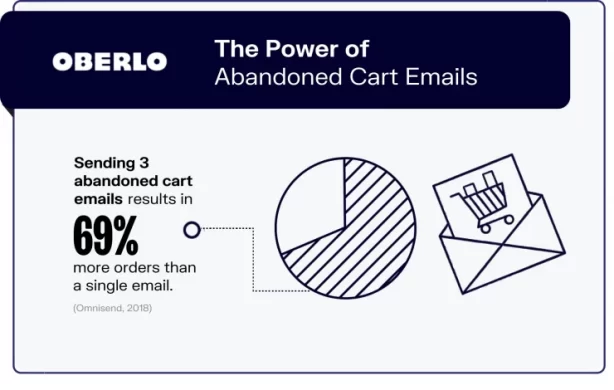
Automation plays a significant role in optimizing time and effort in email marketing. Email automation tools help in scaling personalized email campaigns and improving efficiency. Automation allows for new possibilities such as abandoned cart emails, subscriber greetings, and cross-selling opportunities.

Utilizing Marketing Automation
Marketing automation tools enable marketers to analyze data, track customer journeys, and create targeted content. While automation streamlines processes, marketers need to continuously update and test automation tools to prevent stagnation. Understanding ROI, lead scoring, and utilizing CRM systems are essential for effective marketing automation.
Nurturing Leads with Email Campaigns
Effective email campaigns nurture leads by providing educational, engaging, and relevant content. Educating prospects, establishing connections, offering valuable information, and helping them improve are key components of successful email marketing campaigns. Personalizing emails and seeking feedback for continuous improvement are essential strategies for nurturing leads.
Conclusion
Email marketing remains a vital component of the marketing mix, offering a high ROI for brands. By implementing personalized, segmented, and automated email marketing strategies, businesses can enhance customer engagement and drive conversions effectively. Remember, the key to successful email marketing lies in personalization, segmentation, and automation.
Frequently Asked Questions
How much should I budget for my initial digital marketing campaign?
It depends on the type of campaign you plan to launch. The money you spend on your first campaign can range between $50 and $100.
To get started, you can buy advertising space on search engines such as Google and Bing. These ads are usually $10 per click.
If you have a website, you can create banner advertisements at various places on your site. This will help attract new visitors, and also bring back old ones to your site.
You may also be able to hire a freelancer who will design your banners. Freelancers usually charge between $20-$30 per hour.
Once you have created your ad, it is possible to start tracking your results. There are many free tools that can help you analyze your website.
Data can also be tracked manually. To track information about your campaigns, keep a spreadsheet that records each metric (clicks, impressions and so on).
These data can be used to assess the success of your campaign.
If that is the case, you can still try different methods to find one that works.
Why is it important to define your brand?
A brand is simply the promise your company makes to its clients. A brand can promise certain characteristics and benefits that make your business stand out from its competitors. Your brand is what differentiates you from others in the same industry.
A brand establishes your authority and credibility. When prospective customers see your logo, they instantly recognize that your company stands behind its products and services. Because you have earned their trust, they will trust you.
Your company's culture is also part of your brand. If your employees are passionately involved in your brand, then it is probably reflective of your passion for the product or service.
Your brand is not just words and images. It's a promise to which your company lives up. It's a promise to provide value to your customers.
You need to take into account several things when you are attempting to build your brand. First, you need to choose a name which clearly describes the company's mission. Sweet Dreams Bakery is a good example of a bakery name. But if you're running a software company, you'd probably go with something like DreamSpark Software.
Next, think about how your brand will look. Will you use a recognized symbol? Will your colors match your corporate identity? Will you use logos
Finally, consider the perception of your brand by your target audience. Is it possible to portray yourself as friendly, helpful, and approachable? Will you appear professional and trustworthy? Do you have the ability to make your clients feel confident and competent?
These are all the questions that you should answer before building your brand.
What is an example of search engine marketing?
Search Engine Marketing (SEM) is one of the most essential components of digital marketing. SEM includes paid advertising, sponsored ads, display ads and paid inclusion. It also includes search engine optimization (SEO), mobile marketing, social media marketing, video advertising, mobile advertising, and other related services.
What are some examples of indirect marketing?
You can think of indirect marketing methods that you could use to promote your company. One example is a social media campaign that encourages people to upload pictures of their products. This could spread awareness of your brand.
If you own an auto repair shop, you could post advertisements in local papers encouraging readers to take their cars to your garage instead of going to other shops.
Other examples include sending coupons to customers' e-mail inboxes or posting ads on bulletin boards in public places.
Because it isn't expensive, indirect marketing works well.
However, it takes time to build trust among people, so you'll need patience when promoting your business this way.
You should also keep track of how successful your campaigns are. Track the number leads generated by each method.
This will let you know which methods are best for you.
What are three examples of internet marketing strategies?
Internet Marketing is an umbrella term for online activities designed to promote products and services. Internet marketing covers email marketing as well social media marketing, search engine optimiz (SEO), PPC advertising (PPC), web design and other related activities.
Important to remember that these terms do NOT necessarily mean you will have to spend any money to make money. There are many methods to generate income, and you don't have to spend any cash. The return on each investment will be greater if you make more.
The most common form of internet marketing is email marketing. This involves sending emails out to potential clients, informing them of your business and any new offers.
Another popular way of advertising is through Social Media Marketing. Facebook, Twitter, LinkedIn and LinkedIn allow users to interact with friends and families and share information. These sites are a great way for businesses to increase awareness of their products and services, as well as to establish relationships with their clients.
Search Engine Optimization (SEO), which is a technique that increases websites' visibility on major search engines, can be used to boost their visibility. Webmasters can boost their website traffic by increasing the number and quality of backlinks.
Website design is the art and science of designing websites that are attractive and work well. Website designers determine the style and layout of a website. Website designers also ensure that the website meets accessibility standards and complies with technical specifications.
Advertising via Pay Per Click (PPC), where advertisers bid for keywords relevant to their products. Advertisers earn a commission when someone clicks their ad. PPC ads often appear at either the top or lowest search results pages.
How to build an Ecommerce marketing plan?
The first step in selling is to determine what you want. This should include products or services that relate to your business. But, you must also offer enough variety for customers to be interested.
The second step in marketing is to decide how much money you want to spend on advertising and promotions. Multimedia marketing techniques may be needed, such as direct mail blasts, email blasts or social media.
Once you have an idea of how much money is needed, you can begin to create a budget. Asking an expert in emarketing can help you determine which marketing method will work best for your business. They can help you choose the right method for your company.
Once you have your plan in place you can begin to implement it. To make this process easier, you can hire someone to do some or all of the work for you.
It doesn't mean you have to start over. Try proven strategies that have worked in the past for other online shops. Remember to test everything before making any changes.
You should never forget that your ultimate goal is to increase sales and profits. Your eCommerce marketing strategy has to take into consideration both short-term goals, and long-term objectives.
You can boost your sales by reading our article about eCommerce marketing strategies. We hope they can help you achieve your goals!
Statistics
- A poll earlier this year found that 14% of older Gen Z's had bought an item in the previous six months based on an influencer's recommendation. (influencermarketinghub.com)
- According to statistics, 60% of online shoppers worldwide actively search for coupons before purchasing from a virtual shop. (influencermarketinghub.com)
- Many experts recommend you share 20% of your promotional content and 80% of other valuable content you find. (marketinginsidergroup.com)
- Today, 81% of brands around the world have affiliate programs. (influencermarketinghub.com)
- Companies that use personalization are seeing revenue increases ranging from 6-10%. (blog.hubspot.com)
External Links
statista.com
moz.com
- SEO Learning Center – Moz
- [Case Study] How We Ranked #1 for a High-Volume Keyword in Under 3 Months – Moz
neilpatel.com
youtube.com
How To
How can I find out if my brand efforts are successful?
Asking customers directly is the best method to measure your success. Ask your customers to tell you what they think about the brand. What do they most like about your company. What do they hate? What can you do to improve?
You can also do surveys on social media websites like Facebook and Twitter. You can simply ask your followers how they rate your brand. Analyse the results to identify which elements of your brand are most successful.
You can also check out customer reviews. People love to voice their opinions when they're happy or disappointed with a business. Take the time to read these comments and understand what they think about your brand.
Here are some tips to help you improve your brand.
- Be consistent. You shouldn't update your marketing materials each time you introduce a new product. Keep your message the same across all channels.
- Use multiple channels. Promoting your brand should be done via email, social media and websites.
- Make sure you're giving your customers what they want. You should offer free shipping. If you don't deliver on your promise, customers might abandon you.
- Remember that your brand is more than just a logo. Your brand is the foundation of everything you do. You should take the time and create a comprehensive image.
- Get feedback from your customers. The sooner you hear what they think, the better off you'll be.
- Test different messages. You may discover that one message works better than another. Or maybe you have two very similar messages, but one gets more responses. It doesn't matter what, it is important to monitor your stats and see which message is doing the best.
- Find ways to improve your brand. Do you think there are areas that could use improvement? Perhaps you could add more videos on your website. Or maybe you could include more customer testimonials in your blog posts.
- A plan is essential. Once you've decided on your goals and objectives, you'll need to develop a strategy for achieving those goals. This includes establishing a timeline to reach each goal. This also includes setting up milestones that will help you track your progress.
- Measuring your results is important. Stop measuring once you have reached your goal. Instead, make a system for tracking your progress over time. This will help you to know if your progress is steady towards your ultimate goal.
- Repeat! Continue to build upon the foundation you've created for your brand. You might consider hiring someone to assist you if you have trouble keeping up with current marketing efforts.
- Stay positive. Negative feedback should be taken seriously, but not ignored. Instead, think about how you can use the information to improve your brand.
- Technology is your friend. The technology has given us many tools we couldn't have imagined. Why not make the most of them? You could, for example, create a mobile application for your brand.
- You can think outside of the box. It's okay to try something new. It's okay to try something new, but don't forget to think first.
- Have fun. Marketing isn’t meant to be stressful. It's sometimes called “funmarketing”. It's important to enjoy your work.
- Know when to quit. When you feel like you've done all you can, it's okay to call it quits. However, don't lose heart too soon. Sometimes, you must stick with something until you get the desired result.
- You must not forget about consistency. Consistency is the key to success. It is worth taking the time to create a schedule.
- Be patient. It takes time to build a brand that is successful. It won't happen overnight.
- Keep learning. Marketing is ever-changing. Keep up-to-date by reading blogs and attending webinars.
- Never stop improving. You can still learn new things even after reaching your goal.
- Enjoy the journey. Marketing is fun. Marketing is fun.
————————————————————————————————————————————–
By: 5831
Title: Email Marketing Strategies: Personalization, Segmentation, and Automation
Sourced From: internetlib.org/email-marketing-how-to-nurture-leads/
Published Date: 10/28/2022 4:41:25 PM