
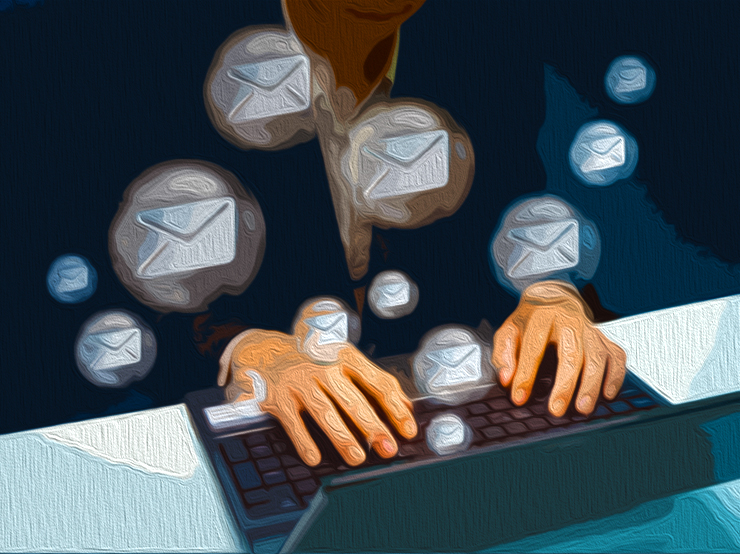
Welcome to the exciting world of content marketing trends for 2022! As we dive into the digital realm, it's crucial to stay ahead of the curve and adapt to the ever-changing landscape of content marketing. Let's explore the top trends that will shape the industry this year, helping you boost your brand's visibility and engagement.
Personalized Content: Crafting Experiences for Your Audience
Connecting on a Personal Level
Personalization is no longer just a buzzword – it's a necessity. Tailoring your content to meet the unique preferences and needs of your audience can set you apart from the competition. Studies reveal that personalized lead nurturing can significantly increase sales opportunities, highlighting the importance of personalized content in 2022.
Going Niche: Standing Out in a Crowd
Specializing for Success
Amidst the sea of content, niche-focused strategies are gaining momentum. By blending your expertise with industry-specific insights, you can create compelling content that resonates with your target audience, making your brand truly stand out.
Voice Search Revolutionizing Content Creation
Adapting to Voice-Activated Era
Voice search is reshaping the content landscape. Optimizing your content for natural language queries and embracing voice-activated search trends are essential to staying relevant and discoverable in the digital age.
Concise Content: The Power of Brevity
Short, Sweet, and Engaging
While long-form content has its place, concise content is gaining traction, especially among younger audiences. Infographics, videos, and visually appealing formats are becoming increasingly popular, emphasizing the need for engaging and easily digestible content.
Diversified Content: Reaching New Heights
Expanding Your Content Horizon
Exploring various content formats like infographics, videos, podcasts, and galleries can attract diverse audiences and keep them engaged. Repurposing successful content across different mediums can help you reach a wider audience and cater to varied preferences.
Embracing User-Generated Content
Fostering Community Engagement
User-generated content is a powerful tool for building trust and fostering community spirit. Encouraging users to create and share content can create an authentic connection that resonates with your audience.
The Evolution of Influencer Marketing
Building Authentic Partnerships
Quality over quantity is the new mantra in influencer marketing. Establishing genuine relationships with influencers and monitoring campaign performance are crucial for success in this evolving landscape.
Live Video: Connecting in Real-Time
Creating Immersive Experiences
Live video offers a dynamic way to engage with your audience instantly. By leveraging live video for events and behind-the-scenes content, you can create immersive experiences that captivate your viewers.
Interactive Content: Engaging Your Audience
Driving Interaction with Creativity
Interactive content like quizzes, calculators, and polls is gaining popularity for its ability to engage and entertain audiences. Providing personalized insights through interactive content can leave a lasting impression on your audience.
The Power of the Written Word
Quality Content Still Reigns
Despite the visual content boom, well-crafted written content remains a cornerstone of successful marketing. Investing in top-notch writing services can help your brand effectively communicate its message and stand out from the crowd.
Automating Content Production
Efficiency Through Automation
Marketers are increasingly turning to automated content creation tools to streamline their processes. By harnessing AI-powered algorithms, brands can produce content more efficiently and effectively, saving time and resources.
AI-Powered Strategies: Enhancing Content Experiences
Unlocking the Potential of AI
Artificial intelligence is revolutionizing content marketing by offering advanced data analysis and optimization capabilities. By leveraging AI tools, brands can tailor their content strategy, delivering personalized experiences that resonate with their audience.
As we step into 2022, these content marketing trends are poised to shape the digital landscape and drive innovation in the industry. Embrace these trends, stay ahead of the game, and watch your content marketing efforts soar to new heights in the ever-evolving digital world.
Frequently Asked Questions
What are the 4 functions in marketing?
Marketing is the art and science of creating demand for products or services.
It communicates information about an organization's offerings, and values and how those affect customers' lives.
Marketing can also increase interest in an offering and build awareness. Finally, it drives action (or buy) in response a invitation to act.
Marketing can be divided into four functions.
- Create Demand – This involves building relationships with potential buyers to convince them of the value in your product or service.
- Stimulating Interest: This refers to increasing awareness among consumers about your product/service.
- Building Awareness – This refers to ensuring that consumers know your product or service and why they might want to buy it.
- Driving Action – This is the act of ensuring that consumers purchase your product or service after being made aware.
Social Media Marketing is an excellent way to market your business online. It's a great way to build brand awareness and generate leads. Here are five ways social media marketing can help boost your business.
- Create a Facebook Fan Page – This allows you to interact directly with customers on Facebook. Upload photos, videos, as well as other files.
- Promote Your Business on Twitter – Twitter is another great place to share information and connect with people. To increase visibility, use hashtags
- Post videos on YouTube – Many people love to watch them. If people like what they see, they may click on your website.
- Host Live Event – Hosting live events will allow you to meet face to face with potential clients. They can ask any questions about your services and products.
- React to Customer Review – Positive reviews will build trust between you and your clients, which in turn will encourage repeat purchases. Make sure to respond quickly to any negative comments.
What are some indirect marketing examples you can think of?
To promote your business, think about indirect marketing methods. You might launch a social media campaign asking people to post pictures of themselves using your product. This could help spread word about your brand.
Advertise in local newspapers if you have an auto repair shop. Encourage customers to bring their cars to you instead of to other shops.
Other examples include sending coupons to customers' e-mail inboxes or posting ads on bulletin boards in public places.
Indirect marketing works well because it doesn't cost much money.
However, it takes time to build trust among people, so you'll need patience when promoting your business this way.
You also need to keep track of how effective your campaigns are. Track the number leads generated by each method.
This will help you to determine which method is best for your company.
How to Make an Ecommerce Marketing Plan
The first step in selling is to determine what you want. This should include products and services related to your business but also have enough variety to keep customers interested.
The second step involves determining the amount of money that you are willing to spend on marketing, advertising promotions, or other methods. Multi-channel marketing may be necessary, such as email blasts, direct mail, social media, search engine optimization and other methods.
Once you have an idea of how much money is needed, you can begin to create a budget. Asking an expert in emarketing can help you determine which marketing method will work best for your business. They can help you choose the right method for your company.
Once you have a plan in place, it is time to implement it. This will make the process much easier if you hire someone to do all or part of the work.
Don't reinvent the wheel and start from scratch. Be sure to use proven strategies that are working for other online sellers. Always test all changes before making them.
Never forget that your ultimate goal must be to increase sales or profits. Your eCommerce marketing strategy must take into account both short-term goals and long-term plans.
Our article on eCommerce marketing tips will help you increase your sales. We hope you find them useful!
Is there any risk associated with digital marketing
Yes, digital advertising is fraught with dangers.
Protecting your online reputation is the first thing you should do. Be careful about what and how you speak on social networks.
You must ensure that your content does not infringe any intellectual property rights of others.
You could also lose control of the brand image you project if you fail to monitor your online presence.
Lastly, you may be subject to identity theft if someone uses your details without permission.
How to Protect Your Online Reputation:
- Take care of what you say on social media
- Make Sure All Content Is Original and Doesn't Infringe Any Other Person's Intellectual Property Rights
- Monitor Your Brand Image
- Use strong passwords
- It is best to not divulge personal information without consent
- Report Unauthorized Activities Immediately
- Don't Post Photos Of Yourself Or Others In A Disturbing Way
- Never divulge any Social Security Number
- Keep up with the latest news
- Avoid Scams
- Select a Secure Password
- Always Keep an Eye out for Updates
- Do not share too much information
- Take care when you give credit card numbers
- Avoid sending money by E-Mail
- Fake websites to avoid
- Remember That Bad Reviews Can Hurt Your Business
- Regularly check your credit reports
- Be vigilant about your privacy settings
- Ask someone you know before sharing anything
What type of eCommerce Marketing Strategy should I follow?
There are three types to eCommerce marketing.
- Direct marketing
- Search Engine Optimization (SEO).
- Social Media Marketing
Direct marketing involves sending emails directly to potential buyers. These emails may contain coupons, special offers, and discounts. This type is used to build customer trust and loyalty.
Search engine optimization involves improving the ranking of your site in search engines like Google and Yahoo. Your site will appear near the top results for keywords related to your product/service. This will increase your traffic.
Social media marketing can be done via websites such Facebook, Pinterest Instagram, YouTube and Instagram. To connect with your audience. It is easy to use and free of charge.
Each method has its advantages and disadvantages. For example, SEO requires time and effort, while direct marketing doesn't require much effort. However, if you only focus on one method, you won't see the full benefit of eCommerce marketing. We recommend combining multiple types of marketing.
For instance, you could send emails promoting your products and rank highly in search engine results. Another option is to advertise on social networks and then link directly to your site via those pages.
There are many marketing options for your eCommerce store. Pick the best for you and make sure to implement them regularly. Good luck!
Statistics
- 81% of brands employ affiliate marketing, and eCommerce sites are particularly good candidates. (blog.hubspot.com)
- Meanwhile, a PartnerPath poll found that co-marketed ads help 68% of consumers arrive at a buying decision before even speaking to a salesperson. (influencermarketinghub.com)
- Today, 81% of brands around the world have affiliate programs. (influencermarketinghub.com)
- This allows us to deliver CPCs that are 80% less than average and CTRs 4-5 times higher than average. (marketinginsidergroup.com)
- According to statistics, 60% of online shoppers worldwide actively search for coupons before purchasing from a virtual shop. (influencermarketinghub.com)
External Links
influencermarketinghub.com
blog.hubspot.com
moz.com
- SEO Learning Center Moz
- [Case Studies] How Moz ranked #1 for a high-volume Keyword in 3 Months or Less
statista.com
- TikTok quarterly first-time installation 2021
- Statista: E-commerce in the world – Statistics & Facts
How To
20 Top Affiliate Marketing Strategies for 2022
Affiliate marketing can be a great way for you to make money online. Affiliate marketing is also one of the easiest ways to start because you need to sign up for an affiliate network such as ShareASale or Commission Junction and then place links on a website or blog. If someone makes a purchase through one of the links, you will be paid a commission.
Here are 20 affiliate marketing strategies to try in 2022:
- Create a Content Calendar
- Google Adwords
- Start Your Podcast
- Join A Blogging Network
- Build An Email List
- Reviewers Get Paid
- Be an Influencer
- Offer Free Trials
- Launch A Membership Site
- Sell Products On Amazon
- Write Articles
- Create a YouTube Channel
- Host Events
- Develop A Mobile App
- Promote Your Business Online
- Run Facebook Ads
- Get a Twitter Account
- Increase Instagram Followers
- Be open with your customers
- Increase your long-term earnings
————————————————————————————————————————————–
By: 3816
Title: The Ultimate Guide to Content Marketing Trends in 2022
Sourced From: internetlib.org/top-content-marketing-trends-for-2022/
Published Date: 1/28/2026 9:12:56 AM