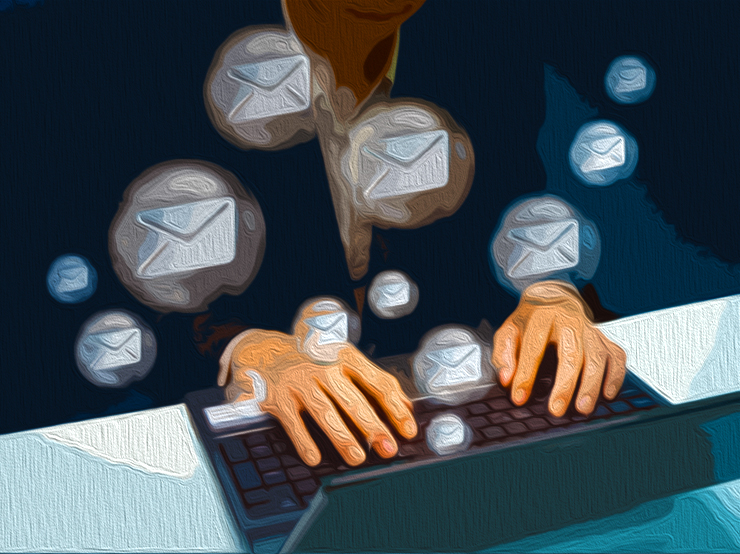
In the realm of digital marketing, paid media stands out as the promotional content that businesses invest in to reach their desired audience. It serves as a powerful tool, providing a direct route to potential customers. According to Ahrefs, a staggering 96.5% of content receives zero organic traffic from Google. Hence, paid media emerges as a crucial avenue to convey your brand's message to potential buyers effectively.
Avoiding Missteps in Audience Targeting
Why Targeting the Right Audience Matters
Imagine throwing a surprise birthday party but inviting people who don't know the birthday person; it's a recipe for disaster. Similarly, targeting the wrong audience with your paid media campaigns can lead to draining your budget with little to show for it. Ensuring your ads reach those genuinely interested in your offerings is key to boosting engagement and reaping favorable outcomes.
Key Role of Ad Quality and Relevance
Importance of Crafting Relevant Ads
Think of your ads as the window display of a shop. If they are bland, unattractive, or out of sync with what customers seek, they'll likely pass by without a second glance. Neglecting ad quality and relevance can result in low engagement levels and lackluster campaign performance. Captivating ads that resonate with your audience are vital for driving success.
The Pitfall of Budget Mismanagement
Why Budget Monitoring Is Critical
Managing your campaign budget is akin to managing your monthly expenses. Overspending may leave you in a financial bind, while underspending could limit your campaign's reach and impact. Striking the right balance is key to optimizing your resources and ensuring a cost-effective conversion rate.
The Impact of Data and Performance Tracking
The Value of Monitoring Data Metrics
Picture driving a car without looking at the speedometer or gas gauge. Ignoring crucial data and performance metrics in your paid media campaigns can steer you off course. Tracking key indicators provides valuable insights into what's working well and what needs adjustment, guiding you towards more effective strategies.
The Significance of A/B Testing in Ad Campaigns
The Power of A/B Testing
Consider A/B testing as trying different ingredients in a recipe to enhance its flavor. Neglecting to test variations in your ads can lead to missed opportunities for improvement. Small tweaks can make a substantial difference in engagement and conversion rates, underscoring the importance of experimentation for optimal results.
Frequently Asked Questions
Understanding the Distinction Between Marketing and Advertising
Advertising is like a billboard shouting "Buy now!" while marketing is akin to sharing engaging stories about your brand. It's about fostering connections with customers through meaningful narratives and interactions, setting the stage for enduring relationships.
The Role of Marketing in Business Strategy
Marketing is the lifeblood of any business strategy, shaping how your brand is perceived and embraced by your target audience. It's not just about ad campaigns but about crafting a compelling brand narrative that resonates with customers, fostering loyalty and trust.
Defining Your Brand's Identity and Impact
Your brand isn't just a logo or tagline; it's a promise of quality, trust, and distinctiveness that sets you apart in a crowded marketplace. Building a strong brand identity involves aligning your values with customer expectations, creating a lasting impression that drives loyalty and credibility.
Navigating Risks in Digital Marketing
While digital marketing offers vast opportunities, it comes with inherent risks like reputation damage and identity theft. Safeguarding your brand image, original content, and online presence is crucial to mitigating these risks and ensuring a secure digital foothold.
Crafting an Effective eCommerce Marketing Strategy
When it comes to eCommerce marketing, a blend of direct marketing, SEO, and social media strategies can amplify your online presence. Leveraging multiple avenues ensures broader reach and engagement, driving sustainable growth and customer loyalty.
Frequently Asked Questions
How do you build an Ecommerce Marketing Plan
The first step is to define what you want. This should include products or services that relate to your business. But, you must also offer enough variety for customers to be interested.
The second step in marketing is to decide how much money you want to spend on advertising and promotions. Multi-channel marketing may be necessary, such as email blasts, direct mail, social media, search engine optimization and other methods.
Once you have a rough idea of your budget, you can start to plan for each option. Asking an expert in emarketing can help you determine which marketing method will work best for your business. They will help determine the best method for you.
Once you have your plan in place you can begin to implement it. This can be made easier by hiring someone to do the job for you.
Don't reinvent the wheel and start from scratch. You can use proven strategies that have worked for other online retailers. Make sure you test everything before you make any major changes.
Remember that your ultimate goal should be to increase sales and profit. Your eCommerce marketing strategy should consider both long-term and short-term goals.
You can boost your sales by reading our article about eCommerce marketing strategies. We hope these tips will help you achieve success.
What are the 5 Marketing Concepts?
These are the five marketing concepts:
- Branding – A brand is an image that people have for you. It's what people associate with you when they hear your name. You need to create a brand identity that is consistent across all media.
- Positioning – Your positioning is the way you position yourself in your market. What is the best way to describe yourself?
- Message – This describes the message. What is your point What's the point?
- Marketing mix is when you combine channels, pricing, or promotions to communicate your message to your target audiences.
- Measurability – How can you measure your success?
What are some examples for indirect marketing?
There are many indirect marketing strategies that you can use to promote and grow your business. A social media campaign might encourage people to share photos of themselves using your product. This would help spread your brand's message.
You could advertise in the local paper if your auto shop is open. This would encourage people to take their cars to your shop instead of visiting other shops.
You can also send coupons to customers' email inboxes, or post ads on bulletin boards located in public areas.
Because it isn't expensive, indirect marketing works well.
It takes time to build trust between people so be patient when you promote your business.
Keep track of the effectiveness of your campaigns. Try measuring the number of leads generated from each method.
This will give you a better idea of which methods work best for your business.
What are the best social media strategies?
Social Media Marketing is an excellent way to market your business online. It's an excellent tool for spreading brand awareness and generating leads and sales. Here are five methods to leverage social media marketing to increase your business.
- Make a Facebook fan page – This will allow you to interact directly on Facebook with your customers. You can upload photos, videos and other files.
- Promote Your Business on Twitter – Twitter is another great place to share information and connect with people. Use hashtags to increase visibility.
- Post videos on YouTube – Many people love to watch them. If people like what they see, they may click on your website.
- Host Live Events. Organizing live events allows potential clients to meet face-toface. They can ask about your products and services.
- Respond to Customer Reviews. Positive reviews can build trust with clients and encourage repeat sales. You should respond quickly to negative comments.
What is an example search engine marketing?
Search Engine Marketing (SEM), one of the most important components of digital marketing, is essential. SEM can include paid-per-click ads, sponsored links and display ads, as well as paid inclusion, search engine optimization, social media marketing (SEO), video marketing, mobile advertising, and more.
Why is it important to define your brand?
Your company's promise to customers is a brand. A brand promises specific qualities and benefits that make your company stand apart from other companies. Your brand is what distinguishes you from others within the same industry.
A brand gives you credibility and authority. Your logo instantly identifies your company to potential customers. Because you have earned their trust, they will trust you.
Your brand is also a reflection of your company's culture. If your employees are passionately involved in your brand, then it is probably reflective of your passion for the product or service.
Your brand is much more than words and pictures. It's a promise that your company lives up to. It's a promise to provide value to your customers.
When you set out to develop your brand, you need to consider several factors. You want your name to clearly describe what your company does. Sweet Dreams Bakery, for example, would be a great name for a bakery. However, if your company is a software one, DreamSpark Software would be the best choice.
Next, decide how you want your brand to be represented. Are you going to use a familiar symbol? Will you use colors that match your corporate look? Will you use logos
You must also think about the perceptions of your target market regarding your brand. Can you project a friendly and helpful image? Will you appear professional and trustworthy? Do you have the ability to make your clients feel confident and competent?
These are the questions you must answer before you can build your brand.
How does marketing fit in with business strategy.
Every business strategy must include marketing. Without marketing, there would be no way to tell the world what your company does. Marketing without sales would be pointless. Marketing is an essential part of any business strategy.
But not everyone understands the importance of marketing. Marketing is often viewed as just spending money on advertisements. Marketing encompasses much more than this. Marketing can be described as everything you do that communicates your company's identity or position in the market.
Ask yourself these questions when you think about your company: What image am i trying to portray? How will my customers perceive me? How should my world perceive me?
If you don't have the answers, marketing isn't something you've considered.
Statistics
- 81% of brands employ affiliate marketing, and eCommerce sites are particularly good candidates. (blog.hubspot.com)
- A poll earlier this year found that 14% of older Gen Z's had bought an item in the previous six months based on an influencer's recommendation. (influencermarketinghub.com)
- Many experts recommend you share 20% of your promotional content and 80% of other valuable content you find. (marketinginsidergroup.com)
- Meanwhile, a PartnerPath poll found that co-marketed ads help 68% of consumers arrive at a buying decision before even speaking to a salesperson. (influencermarketinghub.com)
- Today, 81% of brands around the world have affiliate programs. (influencermarketinghub.com)
External Links
influencermarketinghub.com
youtube.com
blog.hubspot.com
statista.com
- TikTok quarterly first-time Installs 2021
- Statista – E-commerce around the World – Statistica – Facts & Statistics
How To
Six Types Ecommerce Marketing
How do I market my eCommerce store?
Ecommerce marketing is one the most difficult marketing tasks. This requires you to get to know your customers, their buying habits, and how they interact and use your products and services. This knowledge allows you to build an effective strategy to help you reach your goals.
There are six kinds of eCommerce marketing strategies.
- Product Strategy – The first step is determining what kind of product you want to sell online. There are three major categories: physical goods (things), virtual goods (services) and membership sites. Once you have determined which category you want, you can decide whether or not to offer wholesale prices. Wholesale pricing means that you set the price at which your products are sold, while retail pricing means that customers pay directly for your products.
- Pricing Strategy – Next, determine the amount you wish to make selling your products. Profit margins, competition, shipping and taxes are all factors to consider. There are two ways to increase profits when pricing your products: decrease your cost per unit and/or increase sales volume.
- Promotion Strategy – Now comes the fun! It is important to create a promotion strategy that will work best for your company. One strategy is to offer free shipping and special discounts. Try brainstorming new ideas for promotional items if you don’t have any.
- Shipping Strategy: After you've determined how to promote the products, think about how to get them to people. Do you ship via USPS, FedEx, UPS, DHL, or another delivery service? Do you prefer to use a fulfillment centre or are you able to do everything yourself?
- Merchandise Management System (MSMS) – This software helps you track inventory, manage orders, fulfill orders, communicate with suppliers, and monitor orders. You have the option to choose from many systems, depending on your preferences and budget.
- Customer Service Strategy: Finally, it is important to create a customer-friendly strategy for your company. Are you going to provide phone support or email support? Are customers able to contact you via chat, email, social media, and even postal mail?
————————————————————————————————————————————–
By: 17386
Title: Top Paid Media Errors to Dodge for Digital Marketing Success
Sourced From: internetlib.org/common-paid-media-mistakes-to-avoid-for-successful-digital-marketing/
Published Date: 11/21/2024 4:52:33 PM