
With Facebook boasting over 2.74 billion monthly active users, it's no surprise that it's the leading social media platform globally. For marketers, this presents a vast opportunity to engage with new audiences and enhance brand visibility.
Understanding Facebook Marketing
Facebook marketing encompasses various strategies to promote your business on the platform. This includes utilizing:
- Facebook Ads
- Business Pages
- Facebook Marketplace
- Facebook Groups
Whether you're looking for free social media marketing solutions or considering paid advertising, there's a strategy to fit every budget.
Benefits of Facebook Marketing
With over 90 million businesses already leveraging Facebook and a significant user base accessing the platform daily, tapping into Facebook marketing can yield numerous benefits. Approximately 17 percent of users actively seek out brands and products on Facebook, making it a prime platform to establish your brand presence.
Moreover, with 45 percent of global internet users turning to platforms like Facebook for product information, effective advertising on Facebook can help expose your brand to potential customers.
Types of Facebook Ads
Facebook offers various ad types to cater to different marketing objectives:

- Image Ads: Ideal for driving website traffic with clear and concise calls to action.
- Video Ads: Engaging format to showcase products and boost brand visibility.
- Carousel Ads: Allow users to view products from various angles, suitable for e-commerce.
- Collection Ads: Showcase product images within an e-commerce store setting.
The choice of ad type depends on your campaign goals, with costs varying based on bidding strategies and objectives.
Getting Started with Facebook Marketing
Follow these steps to initiate your Facebook marketing efforts:
1. Access Ads Manager
Utilize Ads Manager as the central platform to create, manage, and monitor your Facebook Ad campaigns.
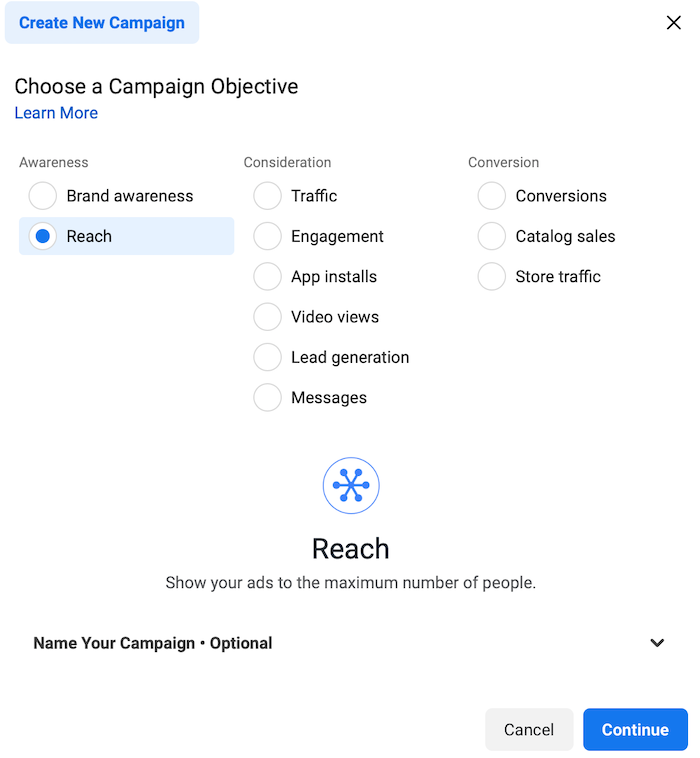
2. Choose Your Ad Objective
Select from awareness, consideration, or conversion goals to define the purpose of your campaign.
3. Name Your Campaign
Assign a distinctive name to your campaign for easy tracking within Ads Manager.
4. Set Your Budget and Schedule
Determine your campaign budget and scheduling preferences to optimize ad delivery.

5. Choose Your Audience
Build a target audience based on demographics, behaviors, and interests to enhance ad relevance.
6. Select Your Ad Placements
Decide where your ads will appear, either through automatic placements or customized selection.
7. Determine Your Brand Safety Controls
Specify content preferences and bidding strategies to align with brand values.
8. Create Your Facebook Ad
Design your ad content, including copy and visuals, ensuring clarity and engagement.
Tips for Effective Facebook Ads
- Use high-quality images and videos for impactful visuals.
- Feature clear CTAs and value propositions.
- Showcase products in action to enhance engagement.
- Utilize user-generated content for community building.
- Optimize ad formats for mobile viewing.
- Implement A/B testing to refine ad performance.
Success Stories in Facebook Marketing
Explore how businesses like The Teaching Company and GoPro have leveraged Facebook advertising to achieve remarkable results through strategic campaigns.
Expanding Your Brand with Facebook Marketing
Aside from Facebook Ads, consider utilizing Facebook Groups, the Marketplace, and your Business Page to further enhance brand visibility and engagement.

Tracking Campaign Success
Monitor key metrics using tools like Ads Manager, Events Manager, and Facebook Business Suite to evaluate ad performance and optimize future campaigns.
Additional Facebook Marketing Resources
For further assistance, access resources such as the Facebook Business Help Center, Facebook Blueprint, and other industry-specific guides for comprehensive support.
Ready to embark on your Facebook marketing journey? Start implementing these strategies to elevate your brand's online presence and engage with your target audience effectively.
Frequently Asked Questions
What should I budget on my first digital marketing campaign for?
It all depends on what type of campaign you want to launch. It can cost between $50-$100 to launch your first campaign.
Advertisement space can be purchased for search engines such Google or Bing. These ads generally cost about $10 per Click.
Banner ads can be placed anywhere on your website that you own. This will help you attract new customers and return them to your site.
You can also hire a freelancer for banner design. Freelancers typically charge between $20 and $30 per hour.
Once you have created your ad, it is possible to start tracking your results. There are many free tools that can help you analyze your website.
You can also track data manually. To track information about your campaigns, keep a spreadsheet that records each metric (clicks, impressions and so on).
These data can be used to assess the success of your campaign.
If not, you can try different methods until you find one that works well.
What is eCommerce Marketing?
Ecommerce marketing can be described as online shopping. It is the act or selling products over the internet. This includes buying goods from companies to sell them over the internet. If you're an individual seller, this would also include selling on eBay. You may also have a business set-up where you sell goods for profit. Selling products online is the best way to make money.
These are more details about eCommerce marketing
It is important to determine what kind of products you wish to sell in order for your eCommerce site to be successful. Then, you should decide whether you want to offer only one item (like a book) or multiple kinds (such as books and DVDs).
Once you know what you're offering, you'll need to find a supplier. A supplier is a company which makes or sells the product that you are looking to sell. If you want to sell greeting cards, for example, you would need to find a supplier who makes and sells greeting cards.
After you've found a supplier, you'll need to create a website to display the products and allow buyers to purchase them. Some suppliers will provide templates, while others will require that you design the template. Once your website is up and running, it's important to market it in order to get visitors. This could include publishing articles on blogs or forums, advertising on Google Adwords websites and sending emails relevant to contacts.
When it comes to marketing your eCommerce company, there are many channels. These include email and search engines as well as social networks and mobile apps.
- Email marketing is a popular choice for many businesses. It is cost-effective, straightforward to implement, as well as delivering results. However, it can take a lot effort and time to generate quality leads.
- Search engine optimization is a technique for improving the rank of a website for specific keywords. Link building is the most common way to make pages rank higher on search engines.
- Promoting businesses is becoming more important through social networking sites such LinkedIn and Facebook. These social networking sites are used daily by millions of people to communicate with their families and friends. By posting interesting articles, you can reach thousands more customers.
- Mobile apps are also a valuable tool for eCommerce marketers. Shoppers love to use their tablets and smartphones to shop. A mobile app lets you reach customers no matter where they are.
eCommerce has grown to be a huge business. There are many ways to promote your business. Make sure you choose wisely to reap the rewards of eCommerce marketing.
Why is it so important that your brand is defined?
A brand is simply the promise your company makes to its clients. A brand promises certain qualities and benefits that make your company stand out among competitors. Your brand is the thing that makes you different from other companies within your industry.
A brand establishes your authority and credibility. Your logo instantly identifies your company to potential customers. Because you have earned their trust, they will trust you.
Your company's culture also influences your brand. Your brand will reflect the passion of your employees for your product/service.
Your brand is not just words and images. It's a promise that you company will keep. It's your promise to give value to your clients.
There are many things to think about when creating your brand. You want your name to clearly describe what your company does. You might choose Sweet Dreams Bakery if your bakery is your business. However, if your company is a software one, DreamSpark Software would be the best choice.
Next, decide how you want your brand to be represented. Will you use a recognized symbol? Will your colors match your corporate identity? Will you use logos?
Finally, you'll want to consider how your target audience perceives your brand. Do you present yourself as helpful and friendly? Will you appear professional and trustworthy? Will you be able to demonstrate your expertise and knowledge?
These are all questions to ask before you build your brand.
Is there any risk associated with digital marketing
Yes, digital marketing comes with risks.
You must first protect your online reputation through being cautious about what you share on social media.
You must ensure that your content does not infringe any intellectual property rights of others.
In addition, you run the risk of losing control over your brand image online if it isn't closely monitored.
Last but not least, identity theft may occur if someone uses your personal details without you being present.
How to Protect your Online Reputation
- Be Careful About What You Say On Social Networks
- Ensure all Content Is Original and Doesn’t Infringe On Any Other Person’s Intellectual Property Rights
- Monitor Your Brand Image
- Use Strong Passwords
- Don't share personal details without authorisation
- Notify Us of Any Unauthorized Activity immediately
- Don't Post Photos Of Yourself Or Others In A Disturbing Way
- Never give out your Social Security Number
- Keep Up With The Latest News
- Avoid Scams
- Secure Password
- Always keep an eye out for new updates
- Don't share too much information
- Be Vigilant When Giving Out Credit Card Numbers
- Send money via EMail.
- Check For Fake Websites
- Negative reviews can hurt your business.
- You should regularly check your credit reports
- Be vigilant about your privacy settings
- Ask Someone Who Knows You Well Before Sharing Something
Statistics
- Meanwhile, a PartnerPath poll found that co-marketed ads help 68% of consumers arrive at a buying decision before even speaking to a salesperson. (influencermarketinghub.com)
- In 2017, 34% of marketers cited co-branding as the most effective way to increase the number of email subscribers. (influencermarketinghub.com)
- 81% of brands employ affiliate marketing, and eCommerce sites are particularly good candidates. (blog.hubspot.com)
- Companies that use personalization are seeing revenue increases ranging from 6-10%. (blog.hubspot.com)
- Today, 81% of brands around the world have affiliate programs. (influencermarketinghub.com)
External Links
neilpatel.com
hubspot.com
influencermarketinghub.com
blog.hubspot.com
How To
Six Types of Ecommerce Marketing
How can I market my eCommerce shop?
Ecommerce marketing is one of the most challenging marketing tasks. It is important to understand the buying behavior of your customer and how they interact in your products and services. This knowledge allows you to build an effective strategy to help you reach your goals.
There are six types of eCommerce marketing strategies:
- Product Strategy – This is the first step in determining the type of product that you want to sell online. There are three main categories. After you've chosen which category of goods you want to work with you will need decide whether you offer wholesale or regular retail prices. Wholesale pricing allows you to set the price for your products. While retail pricing charges customers directly for your products.
- Pricing Strategy: Next, decide how much you want to earn from selling products. Profit margins, competition and shipping costs are all important factors. To increase your profit margins, there are two options: lower your cost of sales or increase your sales volume.
- Promotion Strategy – Now comes the fun! The best promotion strategy for your business is one that you have developed. Promo strategies that work best for your business include free shipping, special deals, discounts, coupons, and other offers. You might try to think of new promotional ideas, if none are available.
- Shipping Strategy – After you have determined how to promote your products you must now think about how you will get them in front of people. Are you shipping via USPS, FedEx or UPS? Are you going to use a fulfillment center or will you do it all yourself?
- Merchandise Management System- The software you use to manage your inventory, track orders or fulfill orders is called the merchandise management system. There are many options available, depending on what your budget is and your preferences.
- Customer Service Strategy – Finally, you must create a customer service strategy that is effective for your business. Are you going to provide phone support or email support? Customers can contact you via live chat, social media or snail mail.
————————————————————————————————————————————–
By: 2739
Title: Beginner's Guide to Facebook Marketing
Sourced From: internetlib.org/facebook-marketing-a-comprehensive-guide-for-beginners/
Published Date: 6/23/2021 5:46:07 PM