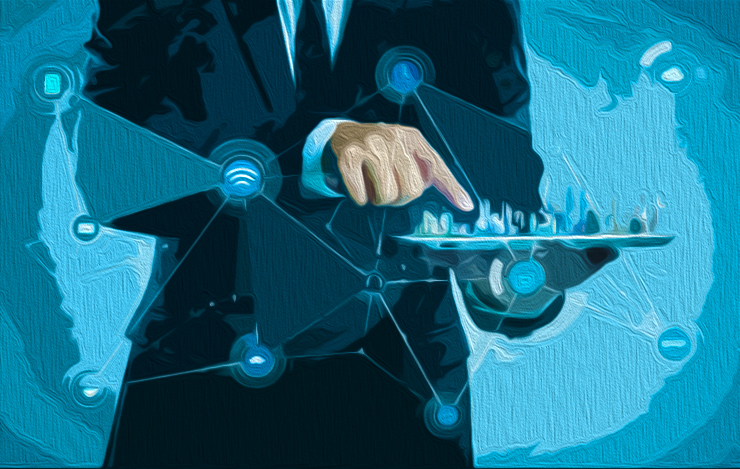

Welcome, fellow marketers! The world of marketing technology is a vast and exciting one, filled with a plethora of tools and technologies waiting to be explored. From automation platforms to AI-driven solutions, the key lies in selecting the right tools for your martech stack. Let's delve into the essential tools and technologies that can elevate your marketing game.
The Foundation: A Robust Martech Stack
Diving into Martech Stack Essentials
Think of your martech stack as a well-organized toolbox, each tool serving a specific purpose to enhance your marketing efforts. By strategically structuring your stack, you pave the way for seamless integration and collaboration across departments. This synergy maximizes the potential of each technology, fostering a culture of innovation within your organization.
Exploring the Martech Universe
Picture the Martech 5000 Supergraphic as a dense forest of marketing technology companies, each offering unique and innovative solutions. To steer clear of feeling lost in this digital jungle, it's crucial to grasp the diverse range of available technologies without feeling overwhelmed. Understanding the tech terrain is key to making informed decisions without succumbing to decision fatigue.
Customizing Your Martech Arsenal
Creating Your Tailored Martech Stack
When assembling your martech stack, align it with your business objectives and marketing strategies. Identify pain points in your current workflows and seek out technologies tailored to address these specific needs. Avoid the chaos of a "Frankenstack" by carefully curating tools that complement and enhance each other's functionalities.
Building Blocks of a Strong Martech Stack
Key Components for Martech Success
- Website Analytics: Uncover valuable insights into visitor behavior using tools like Google Analytics.
- Content Management System (CMS): Efficiently manage and publish content with platforms like WordPress.
- Customer Relationship Management (CRM): Nurture leads and track interactions with CRM solutions such as HubSpot or Salesforce.
- Automation Tools: Personalize experiences and streamline processes with automation platforms tailored to your requirements.
- Email Marketing: Engage with your audience through targeted email campaigns using platforms like MailChimp or Constant Contact.
- Social Media Management: Enhance your social media presence with tools like Hootsuite or Buffer for scheduling and analytics.
Elevating Your Martech Strategy
Optimizing Your Martech Stack for Success
Embrace a mindset of continuous improvement by refining and adapting your martech stack to align with evolving marketing trends. Experiment with new technologies, learn from experiences, and leverage trial periods to find the perfect tech fit for your business. Stay agile in the ever-evolving realm of marketing technology to drive growth and innovation.
Remember, your martech stack is the cornerstone of your marketing endeavors, empowering you to scale your efforts and achieve sustainable growth. Embrace innovation, stay informed about emerging technologies, and tailor your stack to cater to your unique business requirements.
Have More Questions?
Exploring Marketing Concepts and Strategies
Marketing encompasses a diverse array of strategies and concepts that shape the way businesses connect with their audience. Here are some common queries demystified:
How can you leverage search engine marketing effectively?
Search Engine Marketing (SEM) plays a pivotal role in digital marketing, encompassing various paid search and advertising strategies. Explore the realm of SEM to enhance your online visibility and reach.
What are the fundamental marketing concepts to master?
From branding to positioning and the marketing mix, understanding key marketing concepts is crucial for crafting impactful campaigns and resonating with your target audience.
Social media offers a myriad of opportunities to elevate your brand presence and engage with your audience. Explore innovative social media strategies to drive brand awareness and customer engagement.
What are the best practices in direct marketing?
Direct marketing tactics like postcards and emails enable direct communication with your audience. Discover the power of personalized direct marketing to connect with your customers effectively.
Ready to revolutionize your martech stack and supercharge your marketing efforts? Dive into the world of marketing technology with confidence and curiosity, and watch your strategies soar to new heights!
Frequently Asked Questions
What are some examples of direct marketing?
Direct Marketing Examples include postcards, brochures, flyers, e-mails, etc.
Direct marketing allows you to reach people wherever they are. It's the best way to communicate with customers who have already chosen your product or service over another brand.
Know what type of message would be most appealing to your target markets.
Find out what your customer needs, then provide it.
Direct marketing is a great way to promote your brand. Direct marketing can be used to promote your business in many ways. You can send out catalogs to potential customers and advertise in local papers.
You could also create a separate mailing list for your customers. With a solid contacts list, you can add new subscribers easily to your list.
You can also ask current customers if you'd like to send them promotional materials. Some companies offer discounts to those who sign up for special offers.
What is eCommerce marketing?
Ecommerce marketing is nothing but online shopping. It's the act of selling products via the internet. This includes buying goods from companies to sell them over the internet. If you are an individual seller, selling on eBay is possible. A business may be set up where you make a profit by selling goods. You want to make money online selling your products.
Here are some more details regarding eCommerce marketing:
The first step in creating a successful eCommerce site is to identify the type of products that you are looking to sell. First, determine whether you are going to sell one item (a book), or several items (such as DVDs and books).
Once you have a clear idea of what you are offering, it is time to look for a supplier. A supplier is an organization that manufactures and sells the product you wish to sell. For example, if you wanted to start selling greeting cards, you'd need to find a supplier that made and sold greeting cards.
After finding a supplier, create a website to showcase the products and allow buyers buy them. Some suppliers provide templates; others require that you design your template. Once you have a website, you will need to market it. This could include publishing articles on blogs or forums, advertising on Google Adwords websites and sending emails relevant to contacts.
There are several different channels available when it comes to promoting your eCommerce business. These include email and search engines as well as social networks and mobile apps.
- Email marketing is a good choice for most businesses. It is cost-effective, straightforward to implement, as well as delivering results. However, it requires time and effort in order to generate quality leads.
- SEO (search engine optimization) is a technique that helps improve a webpage's rankings for keywords. It's usually done through link building, which helps pages rank higher in search engines.
- Social networking sites such as Facebook and LinkedIn are becoming increasingly crucial for promoting businesses. These sites are used by many people every day to connect with their family and friends. You can get exposure to thousands of new customers if you post interesting articles there.
- The mobile app is also an important tool for eCommerce marketers. Customers love shopping on their mobile devices. Apps allow you to reach customers from anywhere.
eCommerce is a rapidly growing industry. There are many methods to promote your business. You can reap the benefits from eCommerce marketing if you make wise decisions.
How do you build an Ecommerce Marketing Plan
The first step in selling is to determine what you want. You should have a range of products and services that are related to your business.
The second step involves determining the amount of money that you are willing to spend on marketing, advertising promotions, or other methods. There may be multiple marketing methods you need, such direct mail and email blasts as well as social media sites and search engine optimization.
Once you have an idea of how much money is needed, you can begin to create a budget. Asking an expert in emarketing can help you determine which marketing method will work best for your business. They can help decide the best marketing strategy for your business.
Once you have a plan you can begin implementing it. It is possible to hire someone else to assist you in this process.
There is no need to start from scratch and reinvent the wheel. Be sure to use proven strategies that are working for other online sellers. Make sure you test everything before you make any major changes.
You should never forget that your ultimate goal is to increase sales and profits. Your eCommerce marketing strategy should consider both long-term and short-term goals.
We have some eCommerce marketing tips that will help you boost your sales. We hope these tips help you to achieve success.
How can you use search engine marketing to your advantage?
Search Engine Marketing (SEM), one of the most important components of digital marketing, is essential. SEM includes pay-per-click advertising, sponsored links, display ads, paid inclusion, search engine optimization (SEO), social media marketing, video marketing, mobile advertising, etc.
What are the 4 types of marketing?
Marketing can be divided into four types: Direct Mail, Traditional Advertising, Public Relations, Digital Marketing, and Public Relations. Each type of marketing has different purposes and should be used for a specific purpose. You can combine them to achieve your goals.
What are the four functions marketing serves?
Marketing is the art or creating demand for products and/or services.
It provides information about the organization's offerings and values, as well as how they impact customers' lives.
Marketing stimulates interest, creates awareness, and finally drives action (or purchase), in response to an invitation.
Marketing can be divided into four functions.
- You can create demand by building relationships with potential customers and convincing them that your product/service is worth their time.
- Stimulating interest – This is when you increase consumer awareness about your product or service.
- Building Awareness – This refers ensuring that customers know about your product or services and are able to decide whether they want to buy them.
- Driving Action – This means that you ensure that your customers take action after learning about your products or services.
What are the main types of marketing?
Marketing is the act of communicating ideas, values, and messages to consumers. Marketing is often used interchangeably with advertising. Marketing encompasses more than advertising. Marketing includes all forms of communication that promote and market a product or service.
Marketing is made up of three components: promotion, branding, and distribution. A company's branding is the way it represents itself to its target market. Promotion is the process of attracting attention to your brand via paid advertisements, promotions that are free, and other public relations activities. Distribution is how you get your message across to your target audience. You can do it through traditional media like radio, television, print, or email. However, new technologies make this easier than ever.
Statistics
- 81% of brands employ affiliate marketing, and eCommerce sites are particularly good candidates. (blog.hubspot.com)
- A poll earlier this year found that 14% of older Gen Z's had bought an item in the previous six months based on an influencer's recommendation. (influencermarketinghub.com)
- Companies that use personalization are seeing revenue increases ranging from 6-10%. (blog.hubspot.com)
- According to statistics, 60% of online shoppers worldwide actively search for coupons before purchasing from a virtual shop. (influencermarketinghub.com)
- Many experts recommend you share 20% of your promotional content and 80% of other valuable content you find. (marketinginsidergroup.com)
External Links
youtube.com
blog.hubspot.com
influencermarketinghub.com
hubspot.com
How To
How can I tell if my branding efforts have been successful?
Ask your customers. This is the best way for you to measure success. Ask them to rate your brand. What do they like most about your company? What are their biggest complaints? What can you do to improve?
You can also use social media to conduct surveys like on Facebook or Twitter. Ask your followers to rate your brand. Then, you can analyze the results and decide which aspects of brand success are most important.
Customer reviews are also available. People love to give their opinions about a business when they are happy with it. To understand what people think of your brand, take a look at these comments.
Here are some suggestions to help improve your brand.
- Be consistent. Don't change your marketing materials every time you release a new product. Your message should remain the same across all channels.
- Use multiple channels. To promote your brand, you should use email, social media, websites, and other digital communication channels.
- Your customers deserve the best. You must deliver on your promises of free shipping if it is offered. If you do not deliver, your customers will be disappointed.
- Your brand is more than a logo. Your brand is the foundation of everything you do. Take the time to build a complete image.
- Get feedback from your customers. The sooner you get feedback from your customers, the better.
- Test different messages. You might discover that one message is better than the rest. Or perhaps you have two similar messages and one gets more attention than the other. You can monitor your stats to determine which message is performing the best.
- Find ways to improve your brand. Are there areas you could do things differently? Perhaps you could add more videos on your website. Perhaps you could add more customer testimonials to your blog posts.
- Plan. Once you have determined your goals and objectives you need to create a strategy for achieving them. This includes setting a timeline for each objective. It is also important to set up milestones throughout the journey so you can track your progress.
- You should measure your results. As soon as you reach your goal, stop measuring. Instead, make a system for tracking your progress over time. You'll know whether you are making steady progress towards your ultimate goal.
- Repeat! Once you have a solid foundation, you will want to build on it. If you are having difficulty keeping up with your current marketing efforts consider hiring someone to help.
- Be positive. Negative feedback should not be ignored. However, it is important to not dwell on it. Instead, look at how you can improve your brand using this information.
- Utilize technology. Technology has given us many tools we didn't even dream of before. Why not make the most of them? For example, you might create a mobile App for your brand.
- Think outside the box. Nothing wrong with trying something completely new. You should think about what you are doing before you do.
- Have fun with it. Marketing isn’t supposed to stress you. Marketing is often called “fun marketing”. So, try to enjoy yourself while you work.
- When to give up. When you feel like you've done all you can, it's okay to call it quits. But don't give up too early. Sometimes, it is necessary to stay with something until you reach your desired results.
- You must not forget about consistency. Consistency is the key to success. Make sure you have a plan in place for your brand.
- Be patient. Building a successful brand takes patience. It takes time.
- Keep learning. Marketing is constantly changing. Keep up-to-date by reading blogs and attending webinars.
- Never stop learning. Even after you reach your goal, there are still things you can learn.
- Enjoy the journey. Marketing is fun. Marketing is not a chore.
————————————————————————————————————————————–
By: 3979
Title: Mastering Your Martech Stack: Unleashing the Power of Marketing Tools
Sourced From: internetlib.org/building-an-effective-martech-stack-essential-tools-and-technologies/
Published Date: 11/22/2025 10:11:14 PM