
Hey there, fellow marketer! Imagine diving into the world of Facebook, where 2.74 billion users roam freely every month, making it the ultimate hub of social media. This platform isn't just about sharing memes and cat videos—it's a goldmine for marketers like us to connect with a vast audience and shine a spotlight on our brands.
Unveiling the Magic of Facebook Marketing
Ready to unravel the secrets of Facebook marketing? Brace yourself for a whirlwind of strategies to showcase your business on this dynamic platform. From mastering the art of Facebook Ads to navigating through Business Pages, Facebook Marketplace, and engaging Facebook Groups, the possibilities are as vast as the digital ocean.
The Impactful World of Facebook Marketing
Picture this: a staggering 90 million businesses are already harnessing the power of Facebook, engaging with a colossal user base that visits the platform religiously. With around 17 percent of users actively seeking brands on Facebook, setting up your brand camp here is a strategic move you can't afford to miss.
Moreover, a jaw-dropping 45 percent of global internet users flock to platforms like Facebook for product insights, turning effective Facebook advertising into a game-changer for showcasing your brand to potential customers. It's like having a billboard in Times Square—everyone's looking, and you need to be seen!
Delving into Facebook Ad Variety
Facebook offers a buffet of ad types catered to diverse marketing objectives:
- Image Ads: Perfect for driving website traffic with crystal-clear CTAs.
- Video Ads: A captivating format to flaunt your products and boost brand visibility.
- Carousel Ads: Ideal for displaying products from all angles, a gem for e-commerce ventures.
- Collection Ads: Showcasing product images within a virtual e-commerce store ambiance.
Embarking on Your Facebook Marketing Journey
Are you ready to kickstart your Facebook marketing adventure? Here's your compass:


8 Steps to Facebook Marketing Triumph
1. Access Ads Manager
Think of Ads Manager as your trusty ship for creating, managing, and monitoring your Facebook Ad voyages.
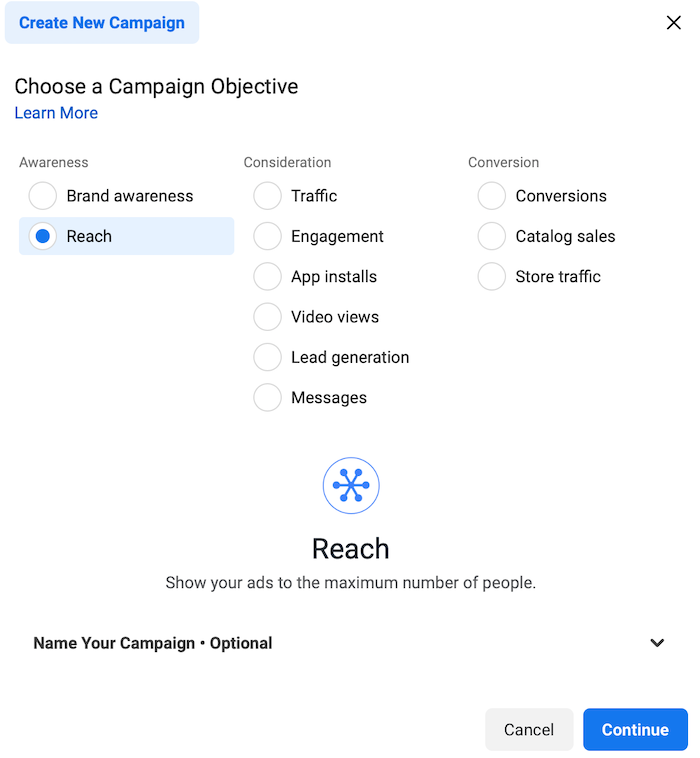
2. Define Your Ad Objective
From raising awareness to driving conversions, choose your campaign's North Star to steer your ship.
3. Name Your Campaign
Give your campaign a unique moniker to navigate smoothly through the sea of Ads Manager data.
4. Set Your Budget and Schedule
Plot your campaign budget and sailing schedule for optimal ad reach and impact.
5. Choose Your Audience
Craft a target audience based on demographics, behaviors, and interests to make your ads resonate.

6. Select Your Ad Placements
Decide where to drop anchor for your ads, whether through automatic placements or hand-picked selection.

7. Ensure Brand Safety Controls
Set sail with content preferences and bidding strategies that align with your brand's values and compass.
8. Craft Your Facebook Ad
Weigh anchor and design your ad content, including compelling copy and visuals that shine like the North Star to your audience.
Expert Tips for Crafting Captivating Facebook Ads
- Enhance your visuals with high-quality images and videos that pack a punch.
- Add clear CTAs and value propositions to steer your audience in the right direction.
- Show your products in action to hook engagement like a seasoned angler.
- Build a community vibe with user-generated content that fosters connections.
- Optimize your ad formats for seamless mobile viewing—smooth sailing for all devices.
- Refine your ad performance through A/B testing to navigate the ever-changing tides of audience preferences.
Real-Life Tales of Triumph in Facebook Marketing
Dive into the success stories of industry giants like The Teaching Company and GoPro, who've mastered the art of Facebook advertising through strategic campaigns for stellar outcomes.
Boost Your Brand with Facebook Marketing
Move beyond Facebook Ads and explore the untapped potential of Facebook Groups, Marketplace, and your Business Page to elevate your brand's visibility and engagement to new heights.

Measuring Campaign Success
Navigate the waters of campaign analytics using tools like Ads Manager, Events Manager, and Facebook Business Suite to evaluate ad performance, adjust your sails, and chart a course for future successful campaigns.
Unlock More Facebook Marketing Insights
For extra support, delve into resources like the Facebook Business Help Center, Facebook Blueprint, and industry-specific guides to navigate the ever-changing seas of digital marketing.
Now, hoist your sails for a thrilling Facebook marketing voyage! Implement these strategies to amplify your brand's online presence and connect effectively with your target audience.
Statistics Snapshot
- According to a PartnerPath survey, co-marketed ads influence 68% of consumers in their buying decisions before engaging with a salesperson.
- In 2017, 34% of marketers identified co-branding as the most effective method to grow email subscriber numbers.
- 81% of brands leverage affiliate marketing, with eCommerce sites emerging as prime candidates.
- Companies embracing personalization witness revenue hikes ranging from 6-10%.
- Currently, 81% of global brands run affiliate programs.
Explore Valuable External Links
neilpatel.com
- How SEO can help you build your brand
- Marketing Automation: Examples & Tools (2022)
Frequently Asked Questions
What are the 5 Marketing Concepts?
Let's break down the five core marketing concepts:
- Branding: It's like crafting your unique identity—what people think of when they hear your name. Consistency is key!
- Positioning: How you stand out in the market jungle. Be the brightest peacock in the flock!
- Messaging: Your brand's voice and story. Why should customers choose you? Let your message sing!
- Marketing Mix: The perfect blend of channels and pricing to reach your target audience effectively.
- Measurement: How do you know you've hit the bullseye? Tracking and analyzing your efforts is the secret sauce.
What are the Four Types of Marketing?
Marketing comes in four flavors: Direct Mail Marketing, Traditional Advertising, Public Relations, and a sprinkle of Digital Marketing. Each has its unique flavor, so mix and match for a delicious marketing recipe!
How to Build an Ecommerce Marketing Plan?
Embark on your Ecommerce marketing journey with these steps:
Firstly, define your products and services mix to keep customers captivated. Then, set your budget sail towards marketing avenues like direct mail, email blasts, social media, and SEO. Seek expert guidance to plot your course wisely and set sail towards success!
What is Ecommerce Marketing?
Ecommerce marketing is like setting up shop in the digital realm, selling products online to eager customers. From finding your niche products to setting sail with suppliers, promoting your brand through various channels, and embracing the power of technology, Ecommerce marketing is your ticket to online success!
What is Search Engine Marketing?
Search Engine Marketing (SEM) is the powerhouse of digital marketing, combining paid advertising, SEO, mobile marketing, social media, and more to elevate your brand's visibility and reach new horizons of success.
Statistics
- From 2020 to 2022, eMarketer predicts a 36% growth in digital marketing, claiming 54% of marketing budgets! (marketinginsidergroup.com)
- 60% of online shoppers worldwide scout for coupons before making a purchase. (influencermarketinghub.com)
- Today, 81% of brands globally rock affiliate programs. (influencermarketinghub.com)
- Companies embracing personalization witness revenue hikes ranging from 6-10%. (blog.hubspot.com)
- In 2017, 34% of marketers saw co-branding as a top method to boost email subscribers. (influencermarketinghub.com)
External Links
blog.hubspot.com
- 21 Successful Co-Branding Partnerships – Why They Are So Effective
- HubSpot Blog
hubspot.com
- YouTube Marketing: The Ultimate Guide
- Chatbot Builder Software – Free
neilpatel.com
- How to Use SEO To Build Your Brand
- Marketing Automation: Examples & Tools (2022)
youtube.com
- YouTube
How To
How do I know whether or not my branding efforts are working?
Curious about your branding success? Engage directly with your customers to gauge their thoughts. Conduct surveys on social media, scout review sites, and remember: consistency, feedback, and adaptation are the compass points to branding success!
Remember, your brand is your ship in the vast digital sea. Set sail confidently, adapt to the winds of change, and navigate towards the shining shores of success!
Frequently Asked Questions
What are some of the best digital marketing techniques I can do from my home?
Digital marketing is a powerful way to reach customers online. This is a great opportunity to generate leads and customers for your business.
You can promote your brand using social media platforms, such as Facebook, Twitter and LinkedIn. You can also make use of email marketing tools for sending emails to prospects and potential clients.
There are many ways to market your product/service using digital media.
You should not have any difficulty getting started as long you are able to use these channels effectively.
What is the difference of advertising and marketing?
Advertising is a type of communication that promotes products and brands. Advertising typically has a clear call-to-action, such as “Buy now!” or “Click here.”
On the other hand, marketing is a way of communicating your company's mission, vision, and values to potential customers. Marketing helps to build relationships with prospects and customers.
If you sell shoes online, for example, marketing can be used to tell the story of who you are and what your offer. Your history, philosophy and commitment to quality could be discussed. You could also share testimonials from customers who are satisfied with your products. Or you might even create an event where you give away free pairs of shoes to encourage people to visit your website.
Marketing, or telling stories, is in essence about telling stories. Advertising is all about selling products.
What is eCommerce Marketing?
Ecommerce marketing is simply online shopping. It's selling products via the Internet. This could include purchasing goods from companies and selling them on the internet. If you are an individual seller, selling on eBay is possible. You could also set up a business to sell your goods for profit. This is where the key idea lies: make money selling products online.
Here are some more details regarding eCommerce marketing:
To create a successful eCommerce store, you need to know what kind of products are being sold. First, determine whether you are going to sell one item (a book), or several items (such as DVDs and books).
Once you know what your product is, you need to find suppliers. A supplier is the company that produces and sells what you want. For example, if you wanted to start selling greeting cards, you'd need to find a supplier that made and sold greeting cards.
Once you've identified a supplier to work with, you'll need a website created to show the products to buyers and make it easy for them to order. Some suppliers provide templates you can use; others require you to design your template. Once you have your website online, you need to promote it to draw visitors. This can include posting articles to forums and blogs, advertising via websites such as Google Adwords, or sending emails directly to relevant contacts.
Promoting your eCommerce business can be done in many different ways. These include email marketing, search engines and social networks.
- Email marketing is a good choice for most businesses. It's cost-effective, easy to implement, and delivers results. But, it takes a lot of time and effort to generate quality leads.
- Search engine optimization (SEO), a technique to increase a website's rank for specific keywords, is what we call search engine optimization. This is often done via link building, which allows pages to rank higher in search engine results.
- For businesses, social networking sites like LinkedIn and Facebook are increasingly important. These social networking sites are used daily by millions of people to communicate with their families and friends. If you post useful articles, you can reach thousands of people.
- For eCommerce marketers, mobile apps can also be a great tool. Customers love shopping on their mobile devices. An app makes it easy to reach customers from wherever you are.
In summary, eCommerce has become a big business. There are many methods to promote your business. Take your time to choose the right method for you to reap the benefits of eCommerce marketing.
What are the four functions of marketing?
Marketing is the art of creating demand for products and services.
It gives information about the company's offerings and its values and how they affect customers' lives.
Marketing stimulates interest, creates awareness, and finally drives action (or purchase), in response to an invitation.
Marketing can be divided into four functions.
- Creating Demand – This includes developing relationships with potential buyers and convincing them that there is value in purchasing your product or service.
- Stimulating interest: This is a way to increase awareness about your product.
- Building Awareness – This refers to making sure consumers are familiar with your product and services, as well as why they might be interested in buying them.
- Driving Action – This is ensuring that customers make purchases once they are aware of your products or services.
Why is it so important that your brand is defined?
A brand is simply a promise that your company makes to its customers. A brand promises specific qualities and benefits that make your company stand apart from other companies. Your brand is the thing that makes you different from other companies within your industry.
A brand gives you credibility and authority. Potential customers instantly recognize your company's logo when they see it. They trust you because you've earned their respect.
Your company's culture is also part of your brand. Your employees will feel passionate about your brand if they are passionate about your product or services.
Your brand is more than just words and pictures. Your company must live up to this promise. It is a promise that you will provide value for your customers.
You need to take into account several things when you are attempting to build your brand. First, you want to choose a name that clearly describes what your company does. For example, if you run a bakery, you'd probably pick something like Sweet Dreams Bakery. For a software company, DreamSpark Software is the right choice.
Next, you'll want to decide how your brand will be represented. Will your logo be easily identifiable? Will you use colors that match your corporate look? Will you use logos?
You'll also want to think about how your target audience sees your brand. Will you portray yourself as friendly and helpful? Do you seem trustworthy and professional? Are you able to communicate your knowledge and experience?
These are all important questions you should ask before building your brand.
Statistics
- In 2017, 34% of marketers cited co-branding as the most effective way to increase the number of email subscribers. (influencermarketinghub.com)
- This allows us to deliver CPCs that are 80% less than average and CTRs 4-5 times higher than average. (marketinginsidergroup.com)
- Today, 81% of brands around the world have affiliate programs. (influencermarketinghub.com)
- From 2020 to 2022, eMarketer predicts that digital marketing will grow by 36% and take up 54% of marketing budgets! (marketinginsidergroup.com)
- 81% of brands employ affiliate marketing, and eCommerce sites are particularly good candidates. (blog.hubspot.com)
External Links
youtube.com
statista.com
influencermarketinghub.com
neilpatel.com
How To
Here are top brands' online marketing tips and tricks
You must ensure that your content is relevant to your audience when you create content for online marketing. If your audience isn't interested in your product, then why should they care about the content you create for online marketing?
Your website should be focused on fashion accessories. Not general web design tips.
As a way to market your business, you can use social media platforms like Facebook, Twitter and LinkedIn. Businesses can use social media platforms to communicate with customers and share information.
It's also a great way to get in touch with clients, both current and potential.
You should create content that engages users, encourages them to share and encourages them. Shared content is more popular and can increase traffic to your website.
Regular updates will keep your content current. It is better to post daily or weekly than once a month.
Posted content usually receives more engagement because readers expect to see new content.
You can include links in your content that link back to your homepage. This allows visitors to find more resources on your website.
Make sure your content is mobile-friendly. Mobile devices now outnumber desktop computers. According to a recent survey more than half of internet users access websites via smartphones.
Test it on various smartphone and tablet browsers to ensure your content looks good when viewed on small screens. For website owners and developers, mobile-first is a must.
It's not about aesthetics. Mobile websites convert more often than desktop websites. Not only are they easier to navigate, but they also tend to load faster because of the smaller size of the site.
Content that is valuable to your audience.
————————————————————————————————————————————–
By: 2739
Title: The Ultimate Guide to Mastering Facebook Marketing Strategies
Sourced From: internetlib.org/the-ultimate-guide-to-excelling-in-facebook-marketing/
Published Date: 5/5/2026 8:18:26 PM