
Hey there, fellow marketer! Ready to dive into the world of word-of-mouth referrals and supercharge your business with paid ads? Picture this: your satisfied customers spreading the word about your business like wildfire among their friends and family. That's the kind of organic marketing magic that can take your brand to new heights!
The Power of Word-of-Mouth Referrals
Let's talk about why word-of-mouth referrals are the holy grail of marketing. These recommendations serve as powerful endorsements that build trust and credibility with potential customers. When existing customers sing your praises, it carries significant weight and can heavily influence buying decisions.
The Impact of Recommendations
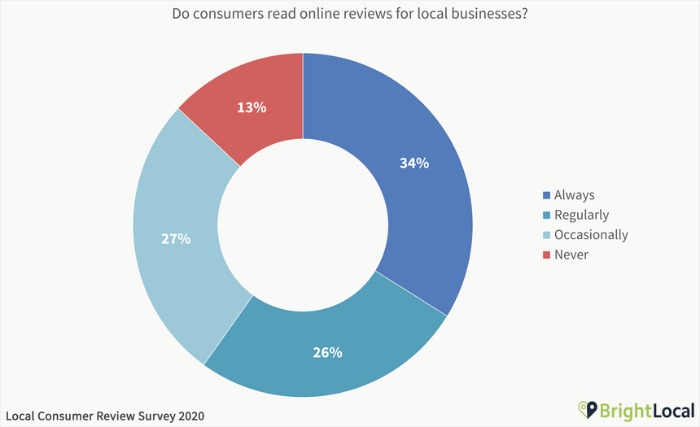
Did you know that a staggering ninety-two percent of customers are more likely to make a purchase based on recommendations from their inner circle? In today's digital era, online reviews hold immense power, underscoring the importance of word-of-mouth referrals in shaping consumer behavior.
Effective Strategies to Boost Word-of-Mouth Referrals
While word-of-mouth referrals are priceless, getting the ball rolling can be a challenge. Here are some savvy strategies to inspire your customers to share the love about your business:
Delivering Exceptional Customer Experiences
Think of exceptional customer service as the secret sauce for generating word-of-mouth referrals. Consistently wowing your customers can lead to brand advocacy, customer loyalty, and ultimately, business expansion.
Maintaining Consistent Quality
Consistency in delivering top-tier products and services is key to avoiding negative reviews. Unhappy customers are more likely to spread negativity, which could tarnish your brand's reputation. Swiftly address any concerns to keep your customers smiling.
Implementing a Referral Program
Launch a referral program to incentivize loyal customers to recommend your business. Offer attractive rewards like discounts or prizes for successful referrals. Take a page from successful programs like The Morning Brew newsletter to effortlessly engage your customers in spreading the word.
Encouraging User-Generated Content
Encourage customers to create and share user-generated content. Official campaigns can fuel content creation, as demonstrated by companies like Netflix, Starbucks, and Adobe, who leverage user-generated content to boost engagement and brand advocacy.
Supporting a Meaningful Cause
Associate your business with a cause or charity to inspire customers to share referrals. People are more inclined to promote causes close to their hearts, leading to increased word-of-mouth referrals within their social circles.
Targeting Referred Customers Through Paid Ads
Enhance your organic word-of-mouth marketing by incorporating targeted paid ad campaigns to amplify your reach. Here's a step-by-step guide to targeting referred customers through paid ads:
1. Select the Right Ad Platform
Choose an ad platform that aligns with your target audience demographics. Platforms like Instagram, TikTok, Facebook, and LinkedIn offer diverse targeting options to reach specific customer segments.
2. Define Clear Goals and Budget
Set objectives, establish KPIs, and allocate a budget for your paid ad campaign. Ensure your budget supports your digital marketing objectives and expected return on investment.

3. Offer Irresistible Incentives
Entice prospects with appealing incentives tailored to their preferences. Consider providing rewards like e-books or exclusive content to drive engagement and conversions.
4. Craft Compelling Ads
Create captivating ad copy that resonates with your audience. Tailor your message, incorporate visuals, and optimize keywords for maximum ad performance.
5. Monitor and Enhance
Track your campaign's performance, conduct A/B tests, and refine your ads based on insights. Continuously optimize your campaigns to enhance results and ROI over time.
By harnessing paid ads to target referred customers, you can elevate the impact of word-of-mouth referrals and drive conversions effectively.
Noteworthy Ad Campaign Examples
Major brands like Coca-Cola, BrewDog, and Cadbury have excelled in creating word-of-mouth advertising campaigns that resonate with audiences and ignite engagement. Through creativity and authenticity, these brands have utilized word-of-mouth marketing to expand their influence and connect with consumers.
Evaluating the Success of Word-of-Mouth Paid Ad Campaigns
Measuring the effectiveness of word-of-mouth paid ad campaigns is vital for optimizing results. Key metrics to track include UTMs, impressions, referral traffic, and competitive analysis to assess success and inform strategic decisions.

Frequently Asked Questions
How does search engine optimization work?
Search Engine Marketing (SEM), one of the most important components of digital marketing, is essential. SEM can include paid-per-click ads, sponsored links and display ads, as well as paid inclusion, search engine optimization, social media marketing (SEO), video marketing, mobile advertising, and more.
What are 3 examples of internet marketing?
Internet Marketing can be described as a broad term that covers online activities to promote products and/or services. Internet marketing includes email marketing, social media marketing, search engine optimization (SEO), pay-per-click advertising (PPC), and website design.
It is important to understand that these terms don't necessarily imply that you need to spend cash to make money. There are plenty of ways to generate income without spending any cash whatsoever. The better the return on your investment in each method, however, is the greater the potential for income.
Email marketing is the most widely used form of internet advertising. This involves sending emails to potential customers informing them about your company and the latest offers.
Another popular way of advertising is through Social Media Marketing. Facebook, Twitter and LinkedIn are all great platforms for sharing information and interacting with friends and loved ones. These sites provide businesses an excellent way to communicate with their clients, increase awareness and build trust in their products or service.
Search Engine Optimization (SEO) is a technique used to improve the visibility of websites within major search engines. Webmasters have the ability to increase traffic to their sites by improving the quality or quantity of relevant backlinks.
Website Design is the art of designing a website that looks attractive and functions well. Website designers create the website's layout and style. Website designers make sure that the website is compliant with technical specifications and meets accessibility standards.
Pay Per Click Advertising (PPC) is advertising where advertisers bid on keywords related to their products or services. Advertisers pay when someone clicks on their ad. PPC ads often appear at either the top or lowest search results pages.
What are the 4 functions that make up marketing?
Marketing is the art of creating demand for products and services.
It communicates information about an organization's offerings, and values and how those affect customers' lives.
Marketing can also increase interest in an offering and build awareness. Finally, it drives action (or buy) in response a invitation to act.
These are the four functions of marketing:
- How to Create Demand – This is about building relationships and convincing potential buyers that your product or company has value.
- Stimulating interest – This is when you increase consumer awareness about your product or service.
- Building Awareness: This refers in part to making sure your consumers are well-informed about your product/service and why they might choose to buy it.
- Driving Action – This is the act of ensuring that consumers purchase your product or service after being made aware.
What are some examples of direct marketing?
Direct Marketing Examples include postcards, brochures, flyers, e-mails, etc.
Direct marketing helps you reach people at home or on the go. Direct marketing is the best method to communicate with customers who have chosen your product over another brand.
Know what type of message would be most appealing to your target markets.
You need to know what your customer wants, and then deliver it.
Direct marketing can be used for many reasons. You could send potential customers catalogs or advertise in local newspaper.
Another option is to create a unique mailing list of your existing customers. You can easily add subscribers to your existing customers list if there is a good database.
Ask current customers if their would like to receive promotional materials. Sign up for special offers to receive discounts from some companies.
What are the four types of marketing?
Marketing can be divided into 4 categories: Direct Mail Marketing (Traditional Advertising), Public Relations (Public Relations) and Digital Marketing. Each of these categories has different goals and should only be used for specific purposes. You can combine them to achieve your goals.
Social Media Marketing can be a great way for your business to get noticed online. It is an excellent tool to spread brand awareness and generate leads and sales. Here are five social media marketing strategies to help your business grow.
- Create a Facebook Fan Page – This allows you to interact directly with customers on Facebook. You can also upload images, videos, or other files.
- Twitter Promote Your Business – Twitter offers a great way to share information and connect people. You can increase your visibility with hashtags.
- Upload videos to YouTube – People love watching videos. If someone likes what they see, they may click to visit your website.
- Host Live Events- Hosting live events gives you the opportunity to meet potential clients face-to-face. They can ask you questions about your products or services.
- React to Customer Review – Positive reviews will build trust between you and your clients, which in turn will encourage repeat purchases. You should respond quickly to negative comments.
Statistics
- According to statistics, 60% of online shoppers worldwide actively search for coupons before purchasing from a virtual shop. (influencermarketinghub.com)
- From 2020 to 2022, eMarketer predicts that digital marketing will grow by 36% and take up 54% of marketing budgets! (marketinginsidergroup.com)
- Meanwhile, a PartnerPath poll found that co-marketed ads help 68% of consumers arrive at a buying decision before even speaking to a salesperson. (influencermarketinghub.com)
- In 2017, 34% of marketers cited co-branding as the most effective way to increase the number of email subscribers. (influencermarketinghub.com)
- Companies that use personalization are seeing revenue increases ranging from 6-10%. (blog.hubspot.com)
External Links
blog.hubspot.com
influencermarketinghub.com
neilpatel.com
statista.com
- TikTok quarterly first-time installs 2021
- Statista – E-commerce around the World – Statistica – Facts & Statistics
How To
What is your marketing strategy
What number of times have you heard the expression, “If I build it, they shall come”?
Well, you're wrong.
It takes work to build something, but it is not enough to attract customers. To grow your business, you must use Internet Marketing Principles to reach your target audience.
Internet Marketing Principles are the rules of thumb used by marketers to create websites, blogs, email campaigns, social media profiles, etc., that generate leads and sales.
If you sell handmade jewelry online, these Internet Marketing Principles will help you drive traffic to your website, capture emails and close the sale.
These are some examples for Internet Marketing Principles.
- Content is the king. Your content must be original and captivating. Copying someone else's content can cause you to lose credibility and be seen as a reliable source of information.
- Building trust – People are more likely to trust recommendations from their friends and families than Adsense or advertisements. Be sure to trust your friends and family when you recommend a product.
- Make it personal. People prefer to interact with real people over robots. Your website must look like a human being and not robotic.
- Offer value – People will only give out free stuff if you feel they are getting something in return. So, offer them something valuable in exchange for their contact info.
- Storytelling is a powerful tool for connecting with your audience. They help you tell your story and connect with your audience.
- Giveaways: Giving away items helps to build brand loyalty.
- It is important to use call-to-action buttons because they encourage users to take action.
- Before you launch your website live, make sure to test everything.
- Keep it simple. Simple is always better than complicated. When possible, keep it simple. A website that is simple to maintain and easy to update will be more successful.
- Achieve a clear goal. It is easier to measure the results of your efforts if you have a clear goal.
- Measure everything – It is essential to track your progress toward your goals in order to improve your marketing efforts.
- Focus on conversion – Conversion means turning browsers into buyers.
- Get feedback – Feedback allows you to improve your marketing efforts.
- Track your results – By tracking your results, you can identify areas that need improvement.
- Repeat – Repetition creates momentum
- Optimize your marketing efforts. Optimization is a way to ensure your marketing efforts are effective.
- Stick to your guns – Consistency will keep your brand's name recognizable.
- Reward yourself. Rewards can motivate you to do better.
- Learn from others. This is one of the best methods to avoid making the same mistakes again.
- Never stop learning.
- To achieve sustainable growth, think long-term.
- Trust your gut – Sometimes intuition is your best guide.
- Every day should be treated as a test. Mistakes are inevitable, but they teach us lessons we wouldn't otherwise learn.
- Your weaknesses are your strengths – Knowing your strengths can help you overcome obstacles.
- Do not let failure discourage you – Everybody fails at least once. But don't let failure discourage you. Try again.
- Accept risks – Sometimes, it is necessary to take risks in order to move ahead.
- Enjoy the ride – It's essential to living happy lives.
- Be passionate – Passion fuels motivation.
- Keep in touch with your authentic self – Building relationships requires you to be yourself.
- Self-awareness is key to self-improvement.
- Find your tribe. It is vital to establish a supportive network of like-minded people.
- Create a vision board – Vision boards are great tools for visualizing your future.
- Ask questions. Questions lead to knowledge.
————————————————————————————————————————————–
By: 2715
Title: Maximizing Word-of-Mouth Referrals: Your Ultimate Guide to Boosting Business Growth with Paid Ads
Sourced From: internetlib.org/unlocking-the-power-of-word-of-mouth-referrals-a-comprehensive-guide-to-supercharging-your-business-with-paid-ads/
Published Date: 5/5/2026 8:14:09 PM